
Choosing the Right Metal Etching Solution
Selecting the correct metal etching solution is one of the most important steps when performing electro-etching on steel surfaces. Whether you are marking your logo on a handmade knife or labeling metal components in a workshop environment, the quality of the solution directly affects the clarity and durability of the etched mark.
Electro-etching relies on controlled electrical current passing through a conductive liquid medium to remove a thin layer of metal from the surface. The performance of this process depends heavily on the chemical composition of the metal etching solution used during marking.
Why the Metal Etching Solution Matters
A well-prepared metal etching solution improves the precision of the etching process and ensures that the etched logo remains visible even after prolonged use. Poor solution quality can lead to uneven markings, shallow etch depth, or surface discoloration.
Benefits of Using the Right Solution
- Clear and sharp logo engraving
- Consistent etching depth
- Reduced risk of smudging
- Improved corrosion resistance
- Better long-term visibility
These advantages are particularly important in knife making projects where logos are expected to remain visible after repeated sharpening cycles.
Testing Different Metal Etching Solution Types
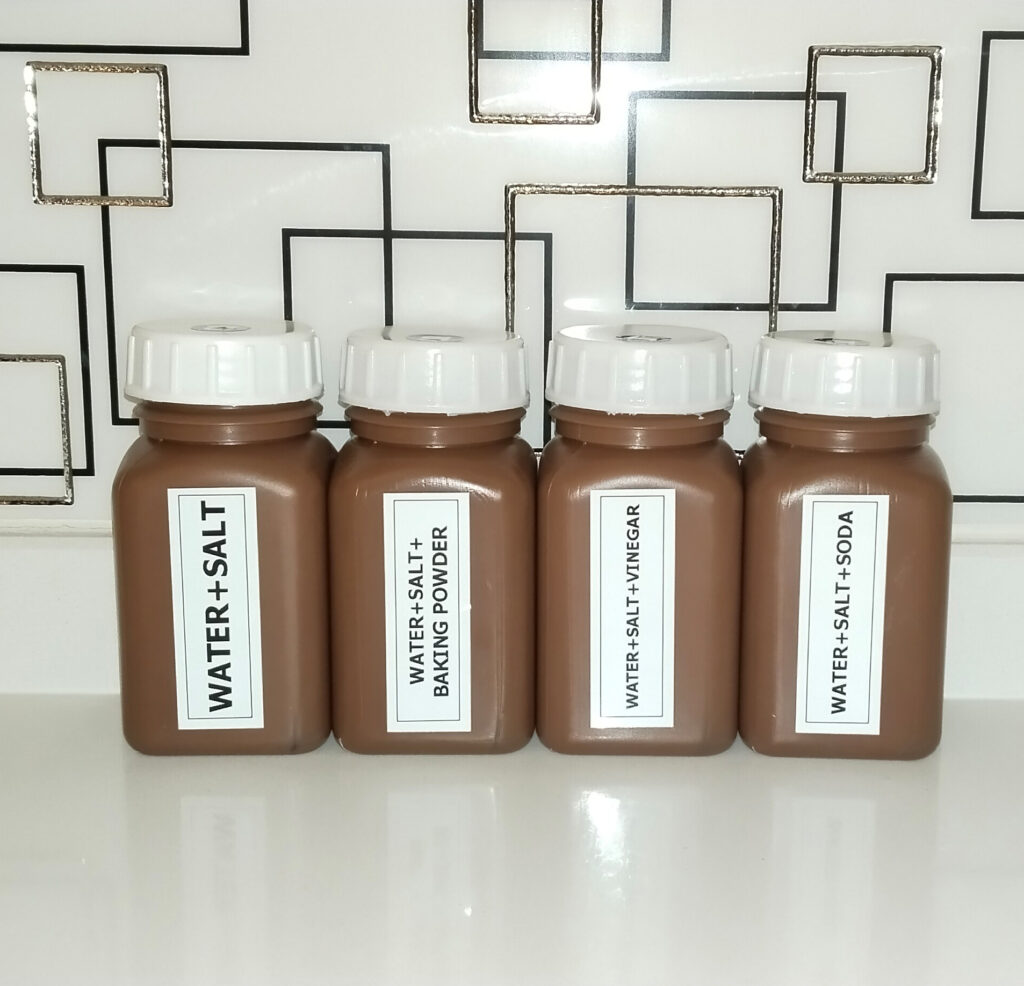
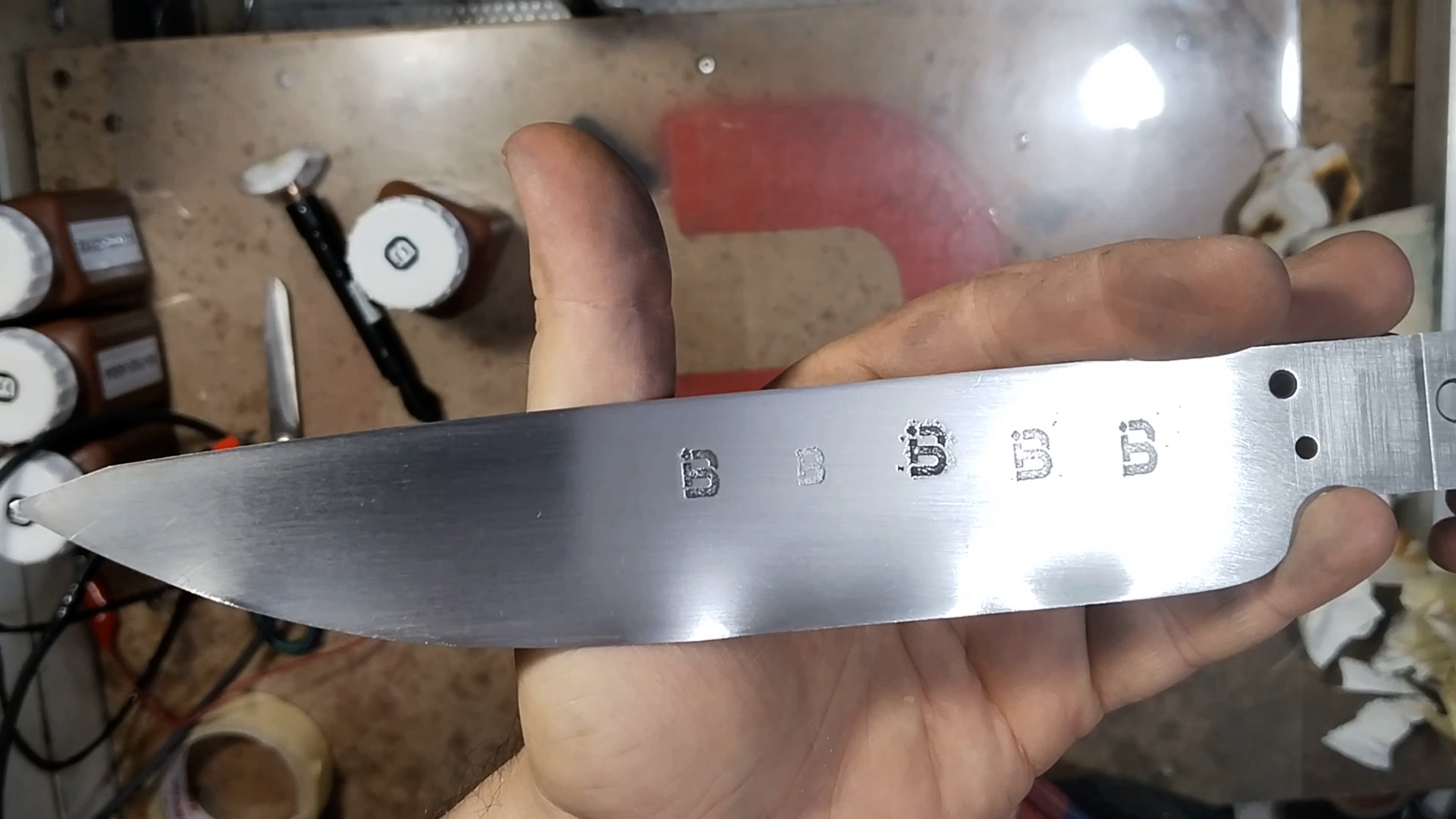
Different types of metal etching solution mixtures can produce varying results depending on the steel composition. Some solutions may provide deeper etch depth while others may prioritize surface contrast.
Commonly tested mixtures include:
- Salt-based electrolyte solutions
- Acid-based etching compounds
- Commercial electro-etching liquids
- DIY electrolyte blends
Each metal etching solution has unique electrical conductivity and chemical reactivity, which can influence the overall marking performance.
👉 You may also want to read: DIY 12V LED Floodlight Build
Electro-Etching Process Overview
The electro-etching process typically involves applying a stencil to the metal surface before introducing the metal etching solution. Electrical current is then passed through the stencil area to create a controlled etch pattern.
Maintaining consistent contact between the stencil and the metal surface helps improve marking accuracy when using a metal etching solution.
Factors Affecting Etching Quality
Several variables can influence the performance of the etching process:
- Voltage level
- Contact pressure
- Solution concentration
- Etching duration
- Surface preparation
A balanced combination of these factors ensures optimal results during the marking process.
Application in Knife Making
In custom knife making, logos are often electro-etched onto the blade surface after heat treatment. Using a suitable metal etching solution allows the logo to remain legible without affecting the blade’s structural integrity.
This technique is commonly used for branding handmade knives or marking limited edition production batches.
If you would like to learn more about electrochemical etching, you can visit: Wikipedia – Etching
Final Considerations
Choosing the right metal etching solution is essential for achieving professional-looking results in electro-etching projects. Testing different mixtures and adjusting process parameters can help you determine which solution works best for your specific application.
In Beykana workshop projects, electro-etching is frequently used to add custom logos to handmade knives. With proper preparation and the right metal etching solution, it is possible to achieve consistent and durable markings on a wide range of steel surfaces.
Additional Etching Performance Tips
When working with any electrolyte used for electro-etching, surface preparation plays a major role in the final marking quality. Cleaning the blade thoroughly before applying the stencil helps improve electrical conductivity and prevents unwanted contamination during the etching process. A properly mixed electrolyte can also improve contrast and increase the depth of the etched logo without damaging the surrounding material.
Additional Process Notes
For best results during electro-etching, it is important to maintain stable electrical contact between the stencil pad and the metal surface throughout the marking process. Uneven contact may lead to inconsistent etch depth or blurred logo edges. Preparing the blade surface by degreasing and lightly polishing it before the marking stage can improve the visibility of the final result. Consistent voltage levels and controlled timing also help ensure repeatable outcomes across multiple marking attempts, especially when working on hardened tool steels in custom knife making projects.
Content Images