
DIY CNC Machine for Maker Workshops
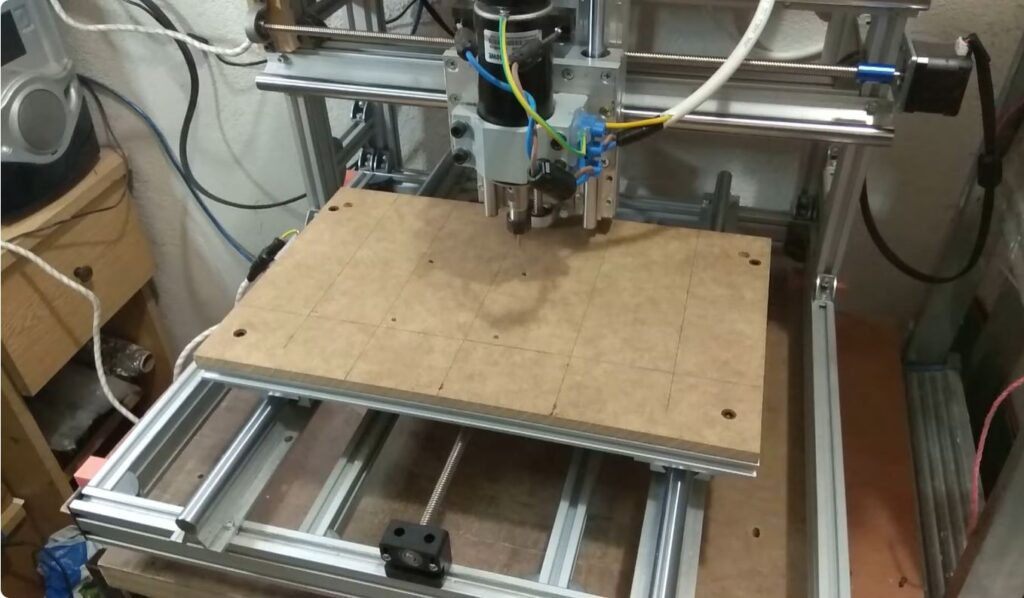
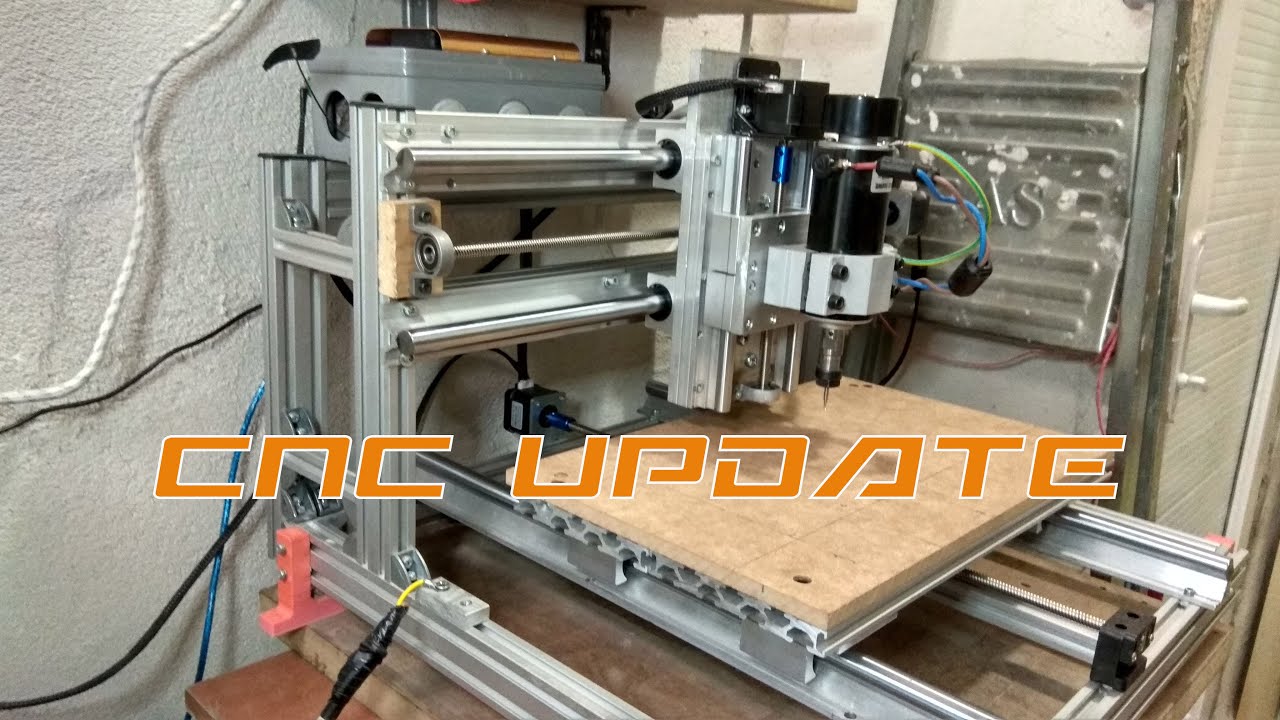
Building a DIY CNC machine allows makers to create a custom machining system for woodworking, engraving, and prototyping applications. Instead of relying on pre-built systems, constructing your own CNC router provides flexibility in selecting components such as spindle power and motion control electronics.
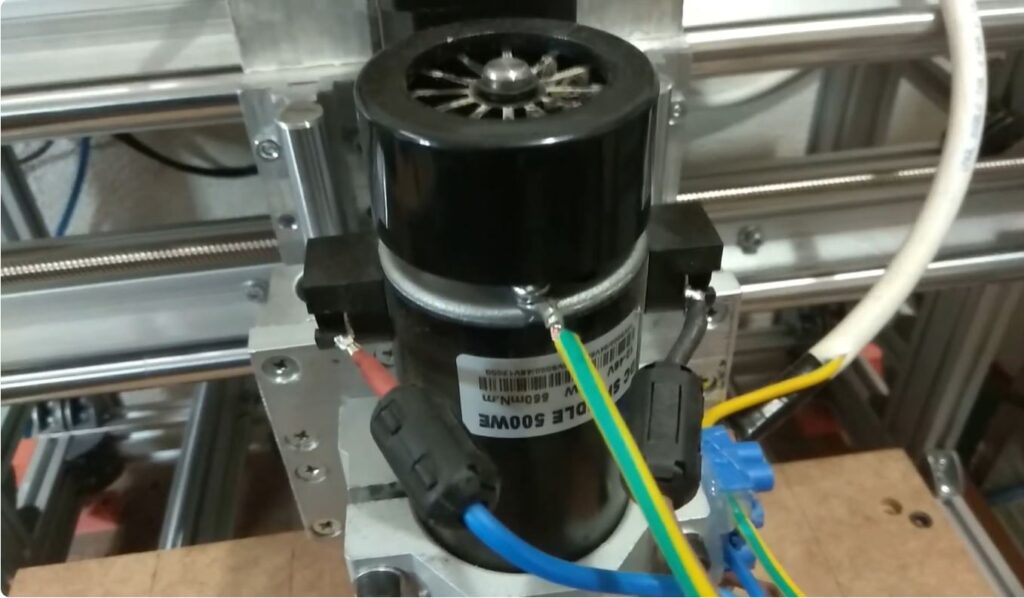
A 500W spindle combined with an MKS DLC32 controller and TMC2209 stepper drivers creates a reliable platform for precision machining tasks.
Why Build a DIY CNC Machine?
A DIY CNC machine provides better customization compared to commercial CNC systems.
Advantages of Custom CNC Builds
- Adjustable spindle speed
- Modular electronics
- Custom frame design
- Expandable configuration
- Cost-effective solution
These advantages make DIY CNC machine builds popular in maker environments.
CNC Machine Components
Key components used include:
- 500W spindle motor
- MKS DLC32 controller
- TMC2209 stepper drivers
- Linear motion rails
- Frame structure
Selecting proper electronics improves machining accuracy.
👉 You may also want to read: https://www.beykana.com/category/cnc-projects/
Electronics Integration
Installing the MKS DLC32 controller allows advanced motion control.
Role of TMC2209 Drivers
TMC2209 drivers provide:
- Smooth motor movement
- Reduced noise
- Improved positioning
- Better current control
These drivers improve the performance of a DIY CNC machine.
Frame Assembly
Ensuring frame rigidity improves machining precision.
Factors Affecting CNC Accuracy
- Frame stability
- Motor alignment
- Belt tension
- Linear rail quality
- Workpiece clamping
Maintaining these parameters improves cutting results.
Workshop Applications
A DIY CNC machine can be used for:
- Wood engraving
- PCB milling
- Acrylic cutting
- Prototype fabrication
- Custom signage
If you would like to learn more about CNC machining, you can visit: Wikipedia – Numerical Control
Additional Machine Setup Notes
Proper cable management prevents electrical interference.
Maintaining clean rails improves motion smoothness.
Final Considerations
Building a DIY CNC machine improves workshop productivity.
With proper calibration, consistent machining results can be achieved.
Additional Operational Tips
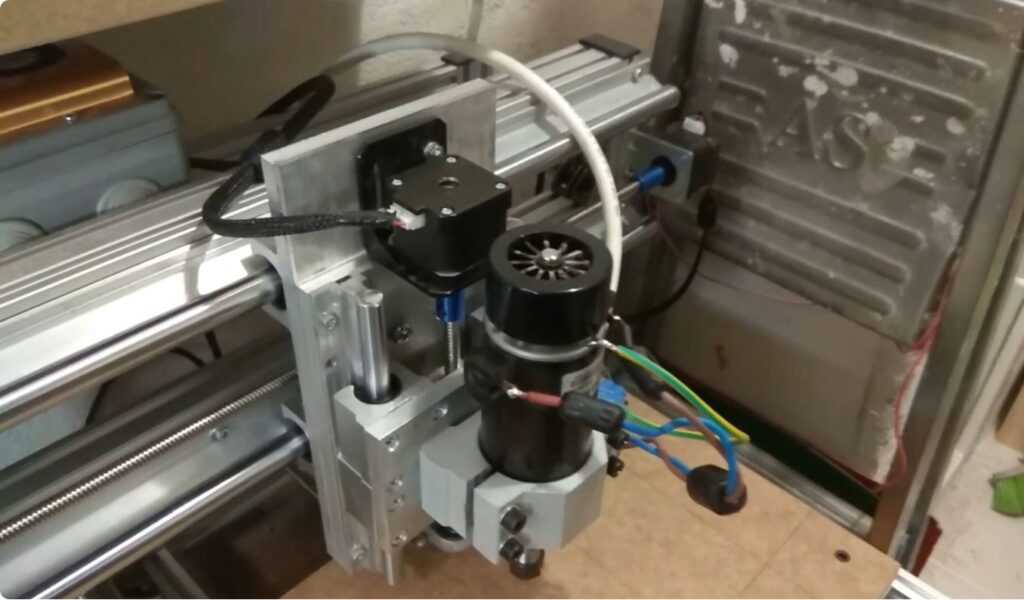
Ensuring that the spindle mount remains securely attached to the Z-axis assembly helps prevent vibration during cutting operations. Checking belt tension periodically can improve positioning accuracy throughout extended machining sessions. Maintaining proper lubrication of linear motion components also contributes to smoother movement and reduced mechanical resistance within the system. Performing test cuts on scrap material before machining finished workpieces is recommended to verify alignment and toolpath accuracy.
Additional Maintenance Recommendations
Regular inspection of electrical connections within the controller enclosure helps ensure stable machine operation. Keeping dust away from motion components and stepper drivers reduces wear over time. Cleaning rails and verifying motor mounting positions before each machining session improves reliability during repeated use.
Machine Calibration and Alignment
Proper calibration of the motion system plays a critical role in maintaining cutting accuracy during machining operations. Ensuring that the X, Y, and Z axes are aligned correctly improves toolpath consistency and reduces dimensional errors in finished workpieces. Periodically checking axis alignment before beginning machining operations helps maintain stable cutting performance across multiple CNC projects and minimizes the need for corrective finishing after machining.
Feed Rate and Cutting Stability
Maintaining an appropriate feed rate during machining helps improve cutting quality and prevents unnecessary strain on the spindle motor. Feeding the workpiece too quickly may result in uneven surface finish or vibration within the machine frame. Performing multiple shallow cutting passes instead of a single deep pass reduces mechanical load on the system and improves stability during machining operations. This approach also helps extend the lifespan of cutting tools used in workshop environments.
Dust Management and Workspace Cleanliness
Accumulated dust generated during CNC operations may affect both mechanical components and electronic modules over time. Using a basic dust extraction system or periodically cleaning the machine frame helps improve airflow around moving parts. Keeping rails and drive systems free from debris also contributes to smoother motion and reduces friction between mechanical elements during repeated machining tasks.
Content Images