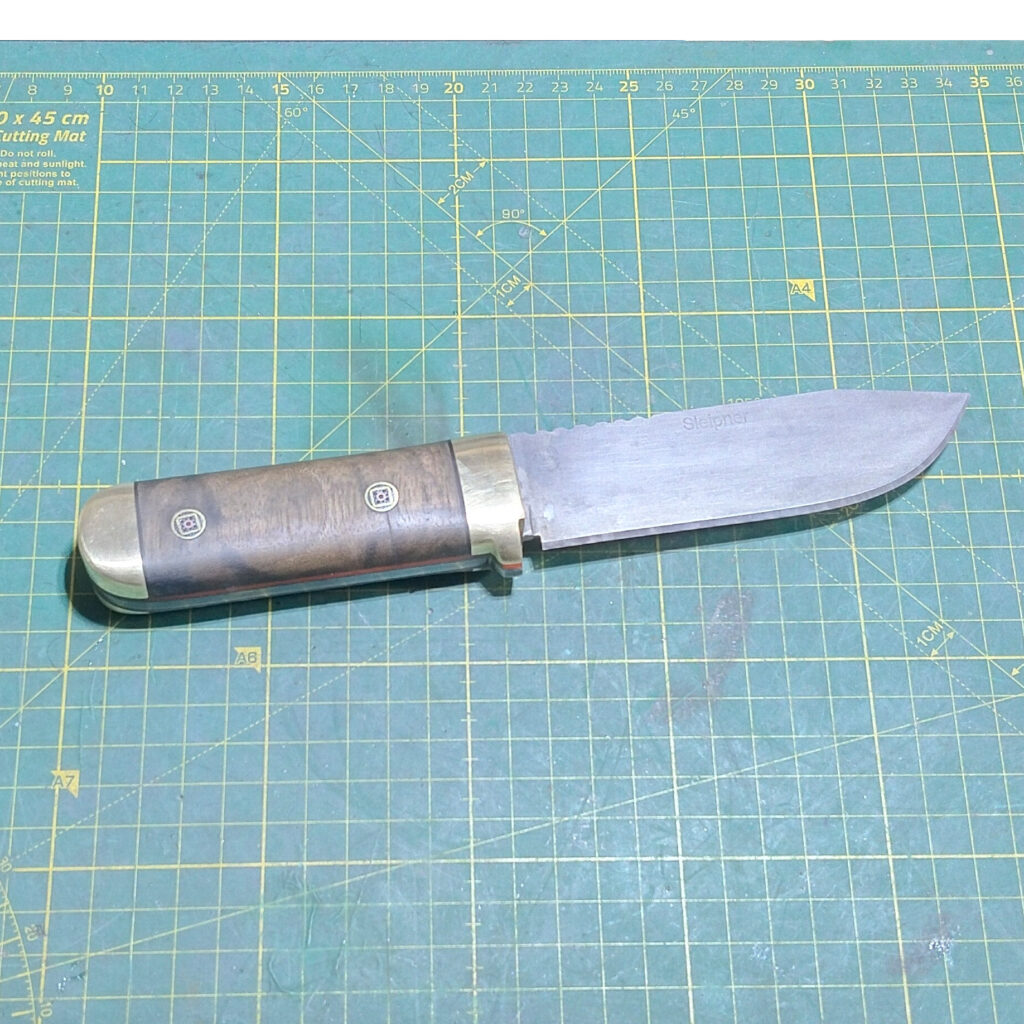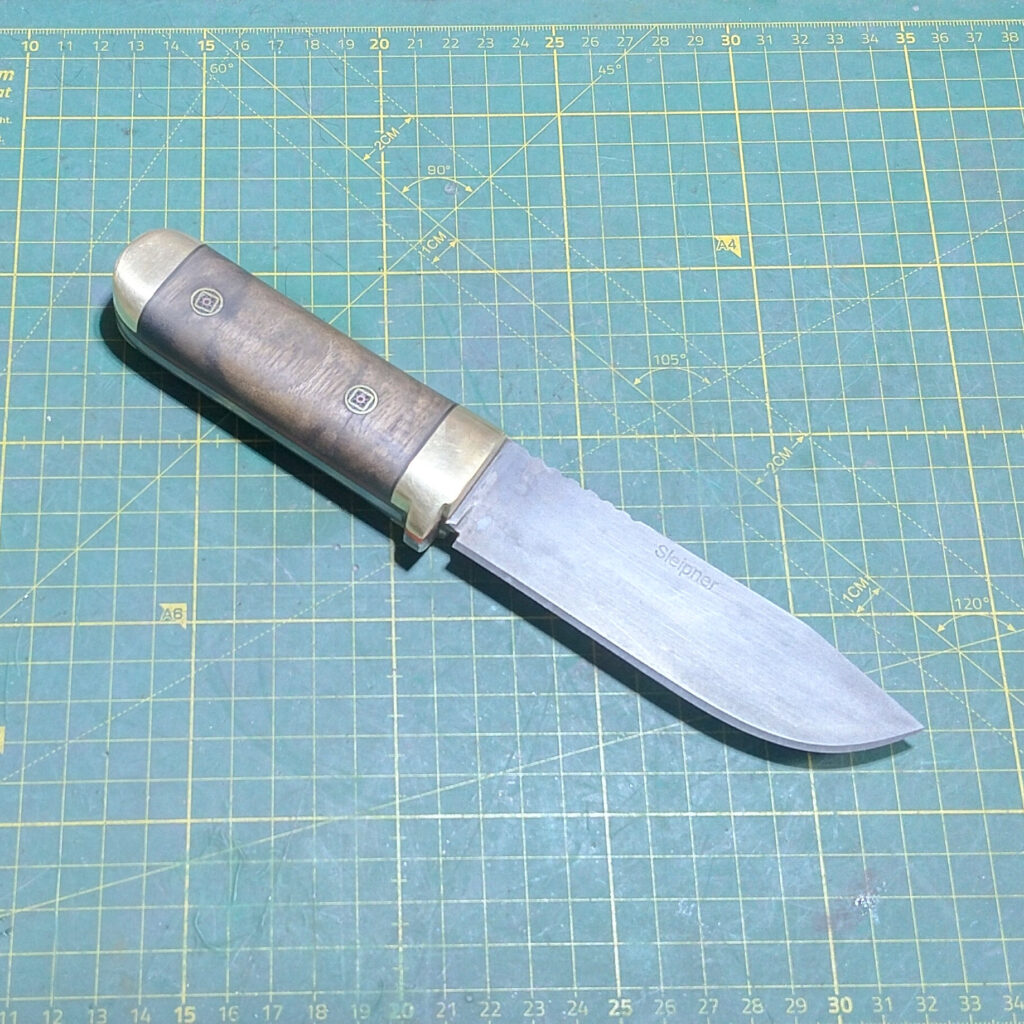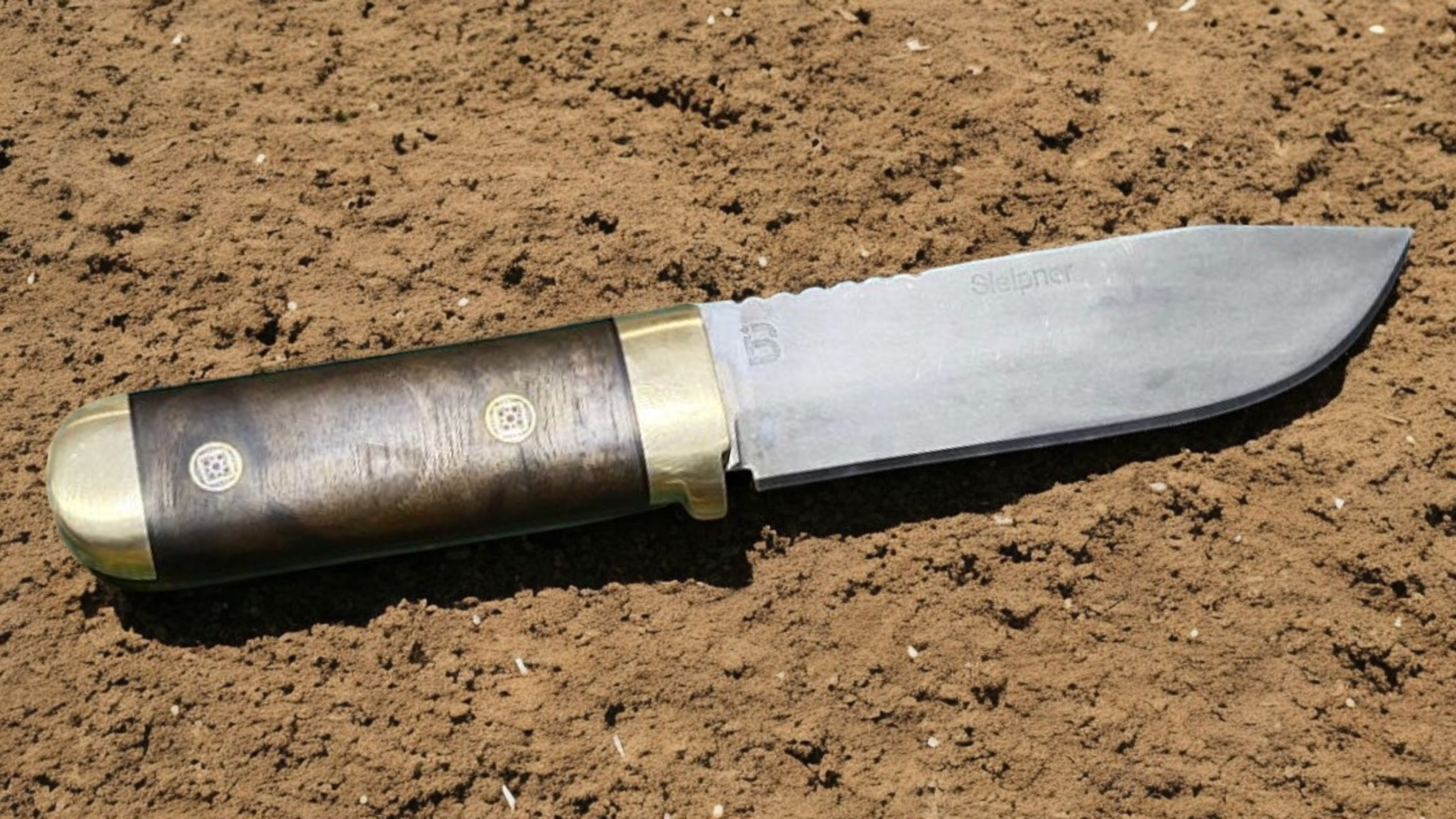

Sleipner Steel Survival Knife for Outdoor Use
A Sleipner steel survival knife is one of the most reliable cutting tools you can create for demanding outdoor environments. When it comes to bushcraft, camping, or survival situations, the durability and edge retention of the blade material play a critical role in overall performance.
Sleipner is a high-performance tool steel developed for applications that require toughness and wear resistance. Because of its balanced chemical composition, it offers excellent impact resistance while still maintaining good hardness after heat treatment. This makes it an ideal material choice when crafting a survival blade intended for heavy-duty tasks.
Why Choose Sleipner Steel for a Survival Knife?
When building a survival blade, the material must withstand cutting, chopping, and general outdoor use without excessive wear or deformation. A Sleipner steel survival knife provides a strong combination of toughness and edge stability that helps prevent micro-chipping during use.
Compared to many stainless steels, Sleipner offers improved resistance against impact-related stress while maintaining sufficient hardness for long-term cutting performance.
Mechanical Properties of Sleipner Steel
Sleipner steel is often preferred for:
- High toughness under mechanical stress
- Excellent edge retention
- Reduced risk of chipping
- Improved wear resistance
- Stable performance after heat treatment
These characteristics make a Sleipner steel survival knife suitable for both woodworking and general outdoor cutting tasks.
Blade Profiling and Grinding Process
The blade profiling process begins with cutting the steel into the desired knife shape. After shaping, the bevel grinding phase determines the cutting geometry of the blade.
Maintaining a consistent bevel angle is essential for proper cutting performance. Using guided sharpening or grinding tools can significantly improve accuracy during this stage.
👉 You may also want to read: Professional Knife Sharpening Jig
Heat Treatment Considerations
Heat treatment is one of the most important steps when producing a Sleipner steel survival knife. Proper hardening and tempering improve the blade’s resistance to deformation and edge wear.
After hardening, the steel is tempered to balance hardness with toughness. This prevents brittleness while ensuring that the blade remains capable of handling demanding cutting tasks.
Importance of Controlled Cooling
Controlled cooling helps prevent internal stress buildup within the blade material. This improves the structural integrity of the finished Sleipner steel survival knife and enhances its durability in real-world applications.
Handle Installation and Ergonomics
Handle design plays an important role in user comfort and safety. A well-fitted handle improves grip stability and reduces fatigue during prolonged use.
Common handle materials include:
- Stabilized wood
- Micarta
- G10 composite
- Epoxy-based materials
Proper pin alignment and adhesive bonding ensure that the handle remains secure under load.
Outdoor Applications
A Sleipner steel survival knife can be used in various outdoor activities including:
- Firewood preparation
- Shelter building
- Rope cutting
- Food preparation
- Bushcraft carving
The combination of toughness and cutting performance makes it a practical tool for survival situations.
If you would like to learn more about tool steels and their applications, you can visit: Wikipedia – Tool Steel
Workshop Integration
In many Beykana workshop projects, Sleipner steel is selected for knives that require durability and long-term performance. Once the blade has been heat-treated and finished, final sharpening improves edge geometry and cutting efficiency.
Building your own Sleipner steel survival knife allows you to customize blade shape, thickness, and handle design according to your intended use.
Additional Notes on Sleipner Steel Survival Knife Performance
When crafting a Sleipner steel survival knife, long-term performance should always be considered alongside cutting ability. Outdoor tools are often exposed to moisture, temperature fluctuations, and mechanical stress during real-world use. Thanks to its balanced alloy composition, Sleipner steel maintains structural stability even under demanding environmental conditions. This makes it a dependable material for survival knife applications where reliability is essential. A properly heat-treated Sleipner steel survival knife can provide consistent cutting performance for bushcraft tasks such as carving, feather sticking, and general campsite preparation while minimizing edge deformation during prolonged use. Over time, maintaining the correct sharpening angle will further improve the durability and efficiency of your Sleipner steel survival knife in outdoor scenarios.
Content Images