

Metal Marking Solution for DIY Electro-Etching
A metal marking solution is an essential component when performing electro-etching on steel or other conductive surfaces. Whether you are adding your custom logo to handmade knives or labeling workshop components, the quality of the marking solution directly influences the depth and clarity of the etched design.
Electro-etching works by passing electrical current through a conductive electrolyte that reacts with the metal surface. A properly prepared metal marking solution enables controlled material removal without damaging the surrounding area of the blade.
Why Use a DIY Metal Marking Solution?
Commercial marking liquids are available, but many makers prefer preparing their own solution to reduce costs and improve flexibility during electro-etching projects.
Advantages of DIY Solutions
Using a homemade metal marking solution offers:
- Customizable concentration levels
- Improved conductivity control
- Reduced project cost
- Availability of basic ingredients
- Adjustable etching depth
These benefits make DIY marking solutions particularly useful for knife making and small workshop applications.
Preparing a Metal Marking Solution
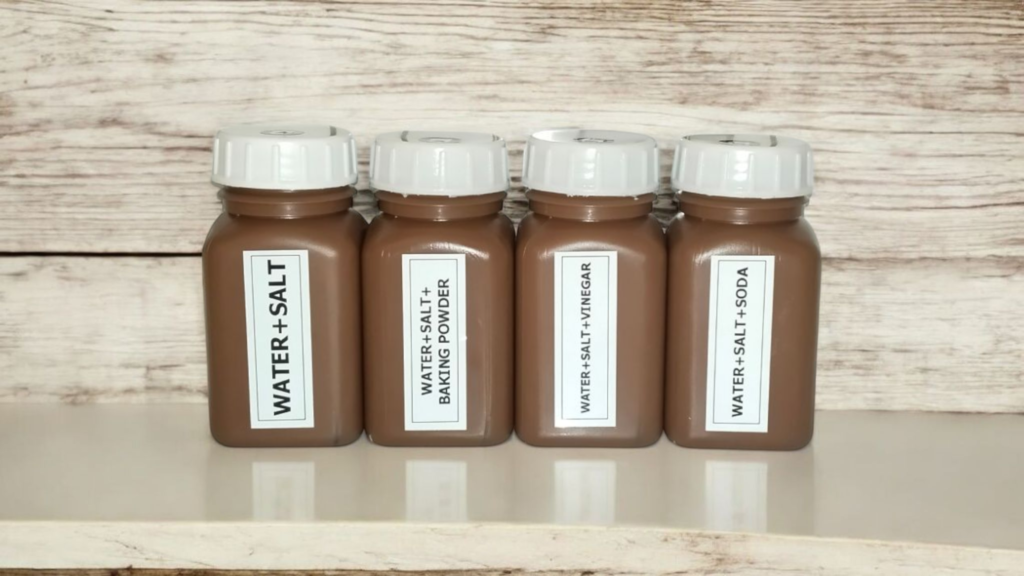
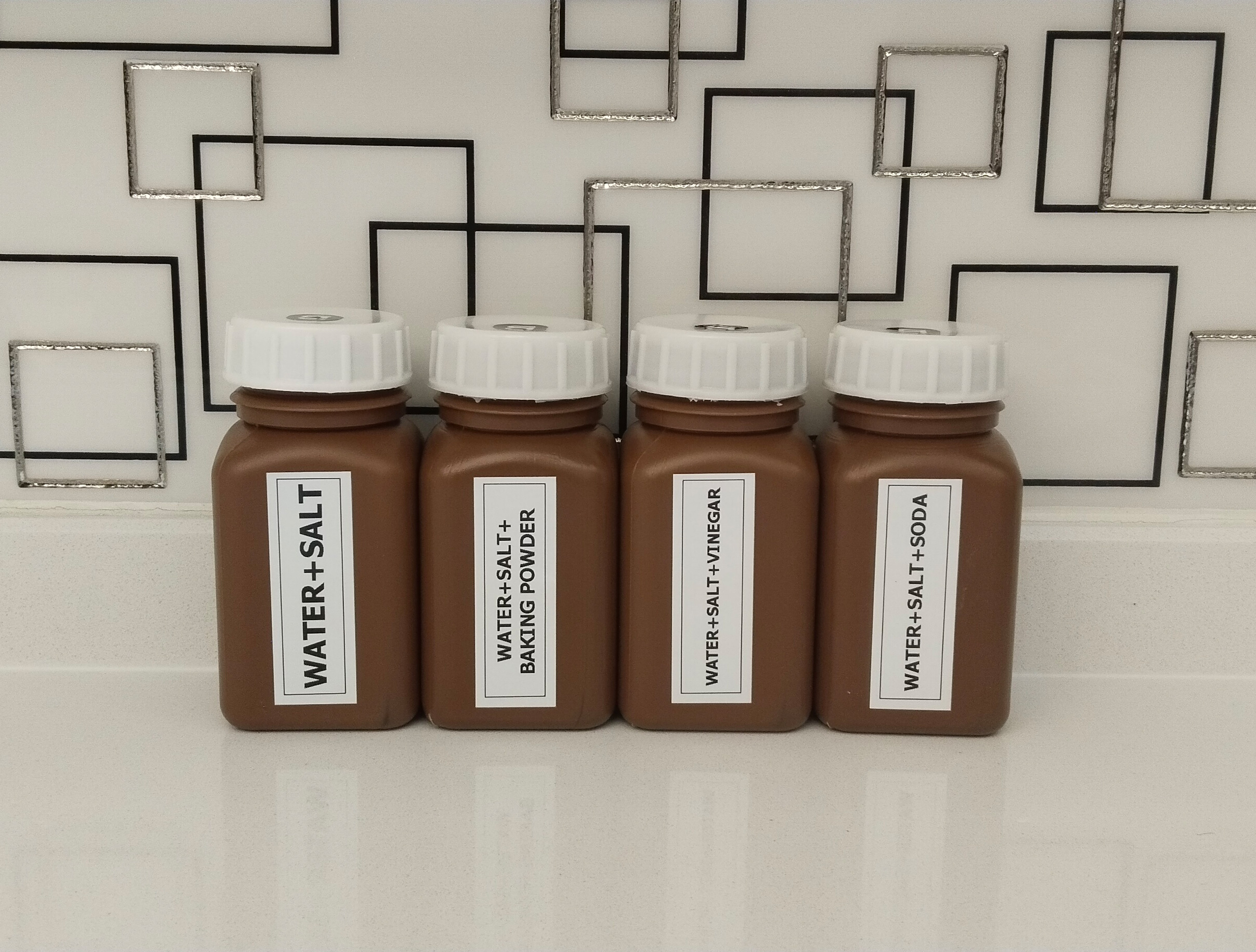
Creating your own metal marking solution involves mixing conductive components that allow electrical current to pass efficiently through the stencil area.
Typical preparation steps include:
- Mixing electrolyte solution
- Ensuring correct concentration
- Using clean containers
- Testing solution conductivity
A properly prepared metal marking solution improves marking consistency across multiple blades.
👉 You may also want to read: Which Metal Etching Solution Works Best?
Application in Knife Logo Marking
When applying a stencil to the blade surface, the metal marking solution helps transfer electrical current through the exposed design area. This causes controlled metal removal and creates a permanent marking on the surface.
Maintaining consistent contact between the stencil pad and the blade helps achieve a uniform etch depth when using a metal marking solution.
Factors Affecting Marking Quality
Several variables influence the electro-etching process:
- Voltage level
- Contact pressure
- Solution concentration
- Surface cleanliness
- Application duration
Balancing these factors ensures better results when marking logos or serial numbers on metal surfaces.
Workshop Applications
A metal marking solution can be used in various workshop environments including:
- Custom knife logo etching
- Tool identification marking
- Metal part labeling
- Prototype marking
- Branding workshop products
If you want to learn more about electrochemical marking, you can visit: Wikipedia – Etching
Additional Process Notes
Proper surface preparation plays a major role in the final marking quality. Cleaning the blade thoroughly before applying the stencil helps improve electrical conductivity and prevents unwanted contamination during the electro-etching process.
Testing the prepared electrolyte on scrap steel before marking finished blades is recommended. This allows you to fine-tune voltage levels and marking duration to achieve consistent results across different steel types used in knife making projects.
A stable electrical connection between the stencil and the metal surface also improves repeatability during the marking stage.
Final Considerations
Selecting and preparing the right metal marking solution is essential for achieving clear and durable results in electro-etching projects. Testing different mixture strengths can help determine the best configuration for your intended marking depth and contrast level.
In Beykana workshop projects, electro-etching is frequently used to apply custom logos on handmade knives. With proper preparation and the correct metal marking solution, it is possible to create consistent markings suitable for long-term use.
Additional Usage Recommendations
For improved marking consistency, it is important to maintain stable contact between the stencil pad and the metal surface throughout the electro-etching process. Uneven pressure during application may lead to variations in marking depth or reduced logo clarity. Preparing the blade surface by cleaning it thoroughly before applying the stencil can help improve conductivity and reduce contamination risks. Performing a short test run on scrap material before marking a finished blade is also recommended to ensure that your setup is functioning correctly. Consistent voltage levels and controlled application time will help produce repeatable results across multiple marking attempts in custom knife making projects.
Content Images