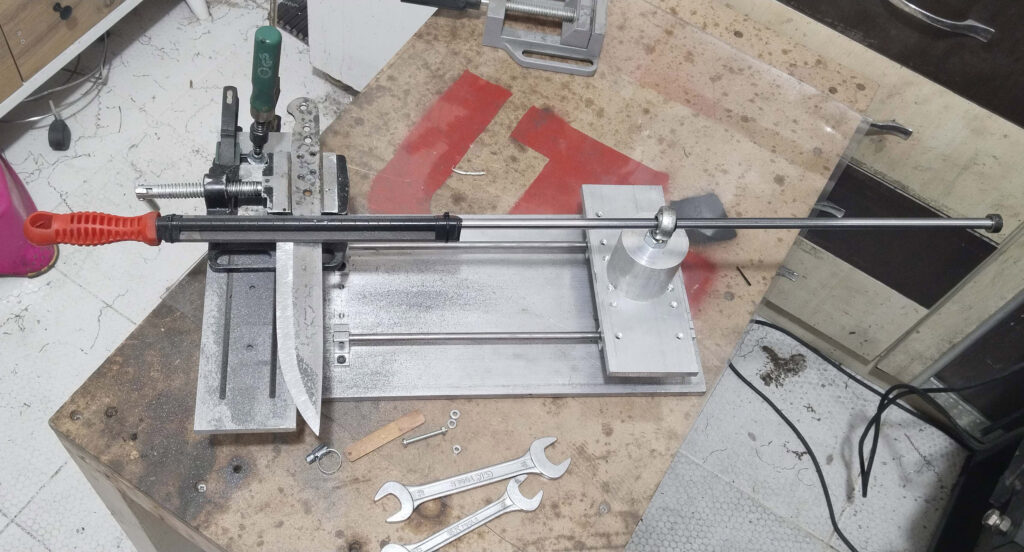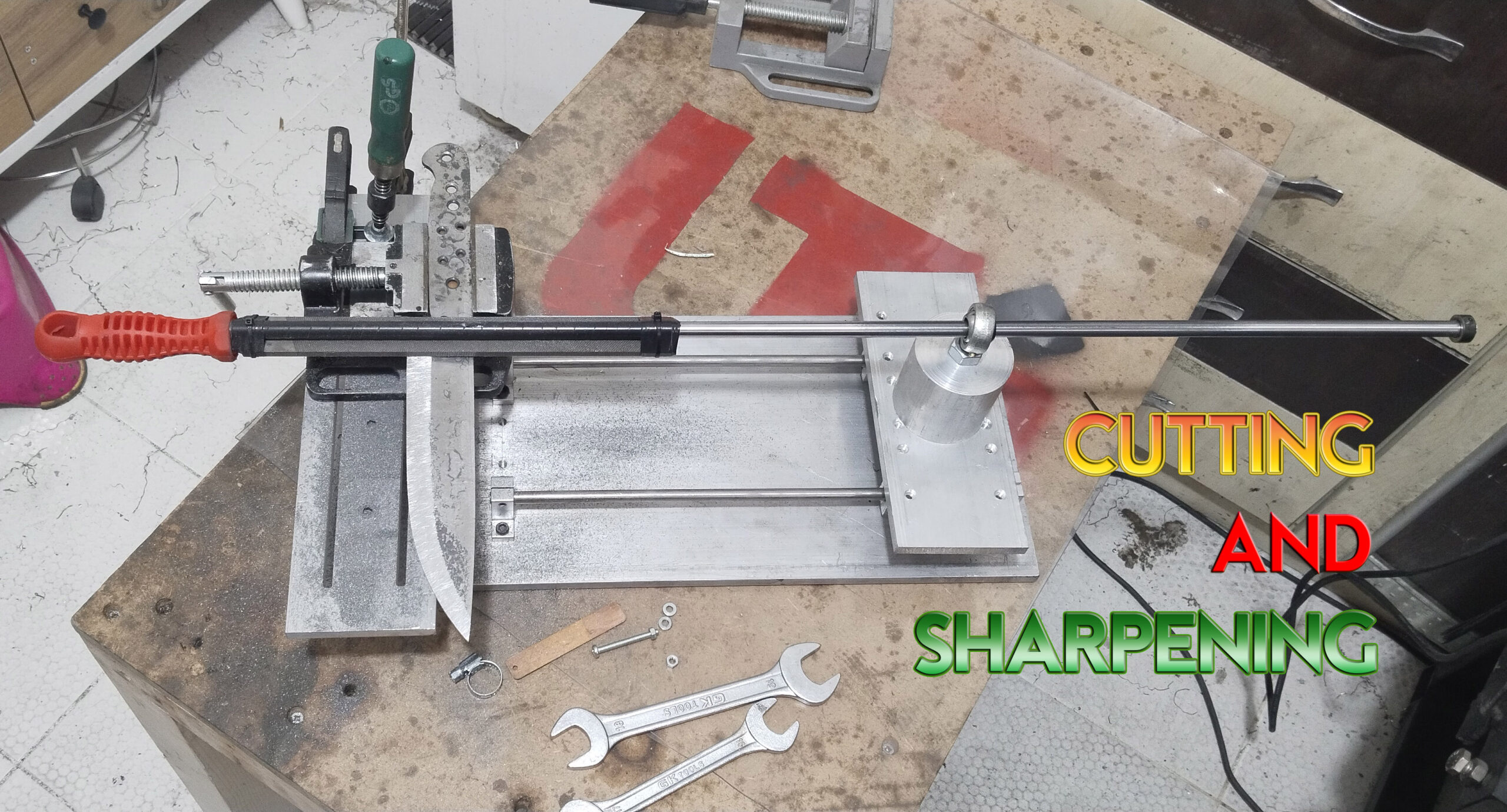

Knife Sharpening Device for Accurate Edge Geometry
A reliable knife sharpening device is essential for maintaining consistent cutting performance in handmade or workshop-produced knives. Manual sharpening techniques can often lead to uneven bevels and inconsistent edge angles, which negatively affect the cutting efficiency of the blade.
Using a guided sharpening system helps ensure repeatable results across multiple knife sharpening sessions.
Why Use a Knife Sharpening Device?
A knife sharpening device allows users to maintain a fixed sharpening angle during the grinding process. This significantly improves edge symmetry and reduces the risk of uneven bevel formation.
Benefits of Using a Sharpening Jig
- Improved edge consistency
- Balanced bevel geometry
- Reduced sharpening time
- Controlled material removal
- Repeatable sharpening results
These advantages are particularly useful for knife makers working with hardened tool steels.
Knife Sharpening Device in Workshop Applications
In knife making projects, sharpening is often performed after heat treatment and final blade finishing. A properly aligned knife sharpening device ensures that both sides of the blade receive equal grinding contact.
Maintaining a consistent sharpening angle is important for achieving optimal cutting performance.
👉 You may also want to read: Knife Angle Calculation App
Bevel Sharpening Workflow
Knife sharpening device systems are commonly used during secondary bevel formation. This stage determines the final cutting edge angle of the blade.
Factors Affecting Sharpening Accuracy
Several variables influence sharpening performance:
- Grinding angle
- Blade hardness
- Belt grit selection
- Contact pressure
- Sharpening duration
Using a guided sharpening device improves repeatability across different blade designs.
Cutting Device Integration
In some sharpening setups, cutting devices are integrated to improve material control during sharpening operations. This allows users to perform minor edge adjustments without removing excessive steel from the blade surface.
If you would like to learn more about knife sharpening techniques, you can visit: Wikipedia – Knife Sharpening
Additional Sharpening Tips
Maintaining steady hand pressure during sharpening helps improve edge consistency. Cooling the blade periodically prevents overheating and reduces the risk of temper loss.
Testing the sharpening setup on scrap material before working on a finished blade is recommended.
Final Considerations
Using a knife sharpening device improves edge symmetry and cutting performance in handmade knives. Consistent sharpening angles help maintain long-term blade durability and cutting efficiency.
With proper alignment and grinding technique, makers can achieve repeatable sharpening results in workshop environments.
Additional Sharpening Workflow Notes
Using a guided sharpening setup helps improve overall consistency during blade finishing processes. Maintaining a fixed sharpening angle ensures that both sides of the cutting edge are shaped evenly without excessive steel removal. A properly aligned sharpening jig also minimizes the risk of over-grinding and helps preserve the original geometry of the blade. Consistent movement during sharpening and maintaining uniform pressure throughout the grinding process can significantly improve final edge quality. Performing a short test on scrap material before working on a finished blade allows you to verify alignment and sharpening accuracy within your workshop environment.
Workshop Usage Recommendations
In knife making projects, sharpening is often performed as one of the final steps after heat treatment and blade finishing. Maintaining a consistent grinding setup throughout this stage improves overall edge geometry and ensures symmetrical bevel formation on both sides of the blade. Stable positioning of the blade within the sharpening jig can help prevent unwanted angle variations during the process. Applying steady pressure while moving the blade across the grinding surface allows for controlled material removal and improves the repeatability of sharpening operations in workshop environments.
Improving Edge Stability During Sharpening
Proper lighting conditions and a well-aligned sharpening device can significantly enhance the visibility of the cutting edge during grinding. This helps the user maintain alignment between the blade and the abrasive surface throughout the sharpening process. Periodically cooling the blade during sharpening prevents excessive heat buildup and reduces the risk of temper loss. Repeating the same sharpening workflow across different knife builds ensures better long-term performance and contributes to improved cutting stability in real-world applications.
Content Images