
Introduction
CNC Step/mm Calibration is a critical process required to ensure that CNC machines move accurately according to programmed commands. Without proper calibration, even a well-designed machine may produce dimensional errors that affect cutting precision.
Manual adjustment of motion parameters allows users to correct axis travel discrepancies and improve overall machining accuracy.
What is CNC Step/mm Calibration?
CNC Step/mm Calibration refers to the process of determining how many motor steps are required for the machine to move one millimeter along a specific axis.
If this value is incorrectly configured, the machine may travel either more or less than the intended distance, leading to inaccurate machining results.
Performing CNC Step/mm Calibration ensures that the programmed movement matches the actual physical motion of the machine.
Why Calibration is Important
Proper CNC Step/mm Calibration improves the dimensional accuracy of machined parts.
Incorrect calibration may result in:
- Oversized components
- Undersized cuts
- Misaligned drilling points
- Poor fitting assemblies
Adjusting step values manually helps eliminate these issues and enhances machining consistency.
Calibration Process
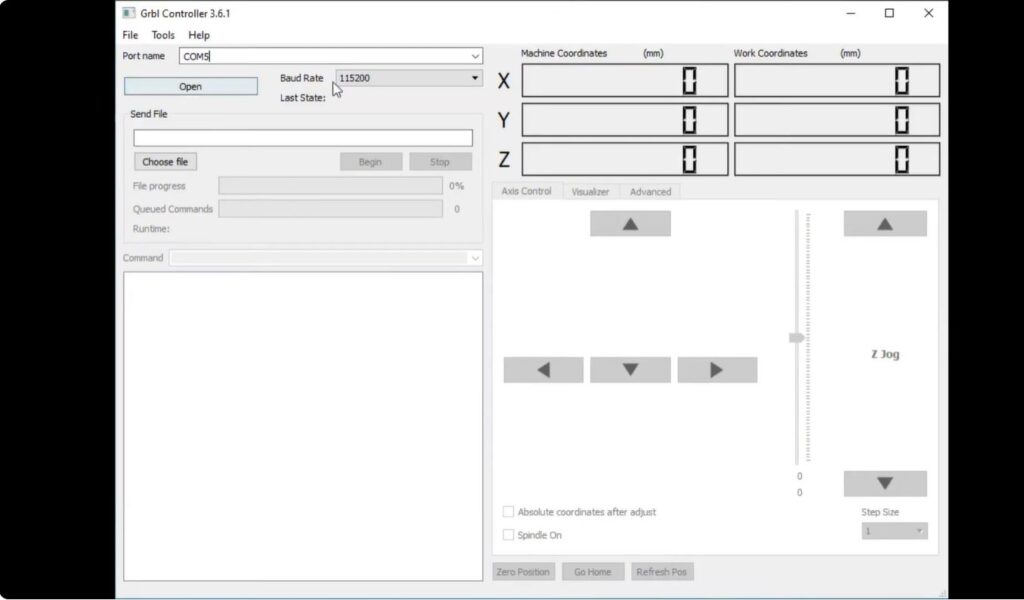
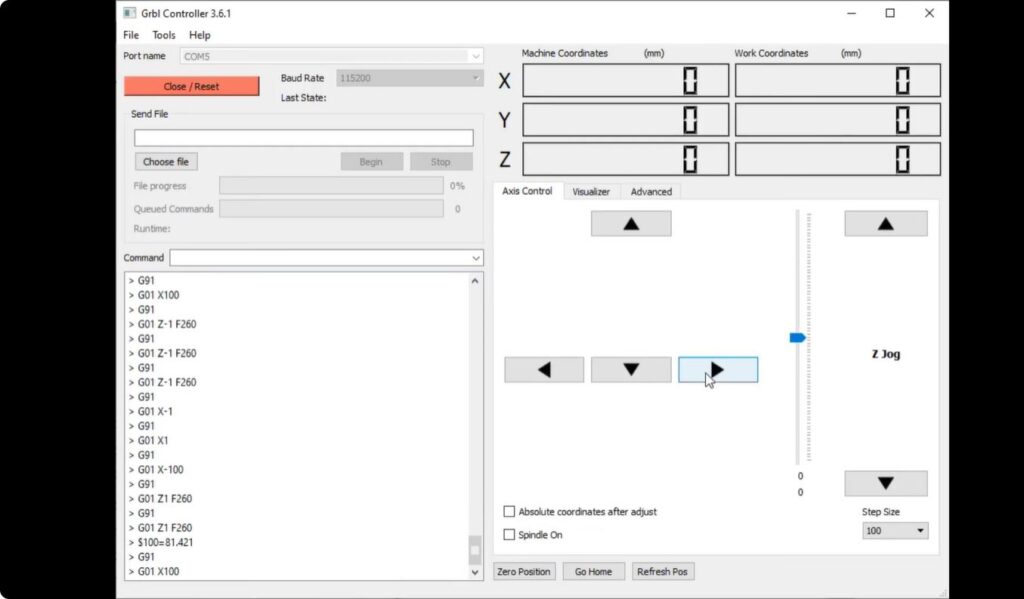
The CNC Step/mm Calibration procedure typically begins by commanding the machine to move a known distance along a specific axis.
For example, the X-axis may be instructed to move 100 mm.
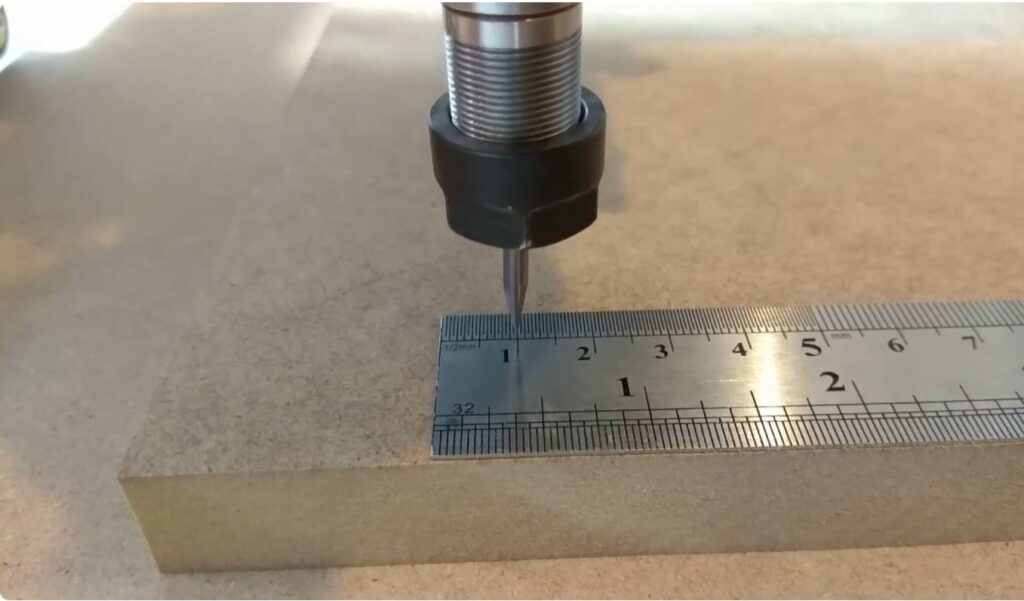
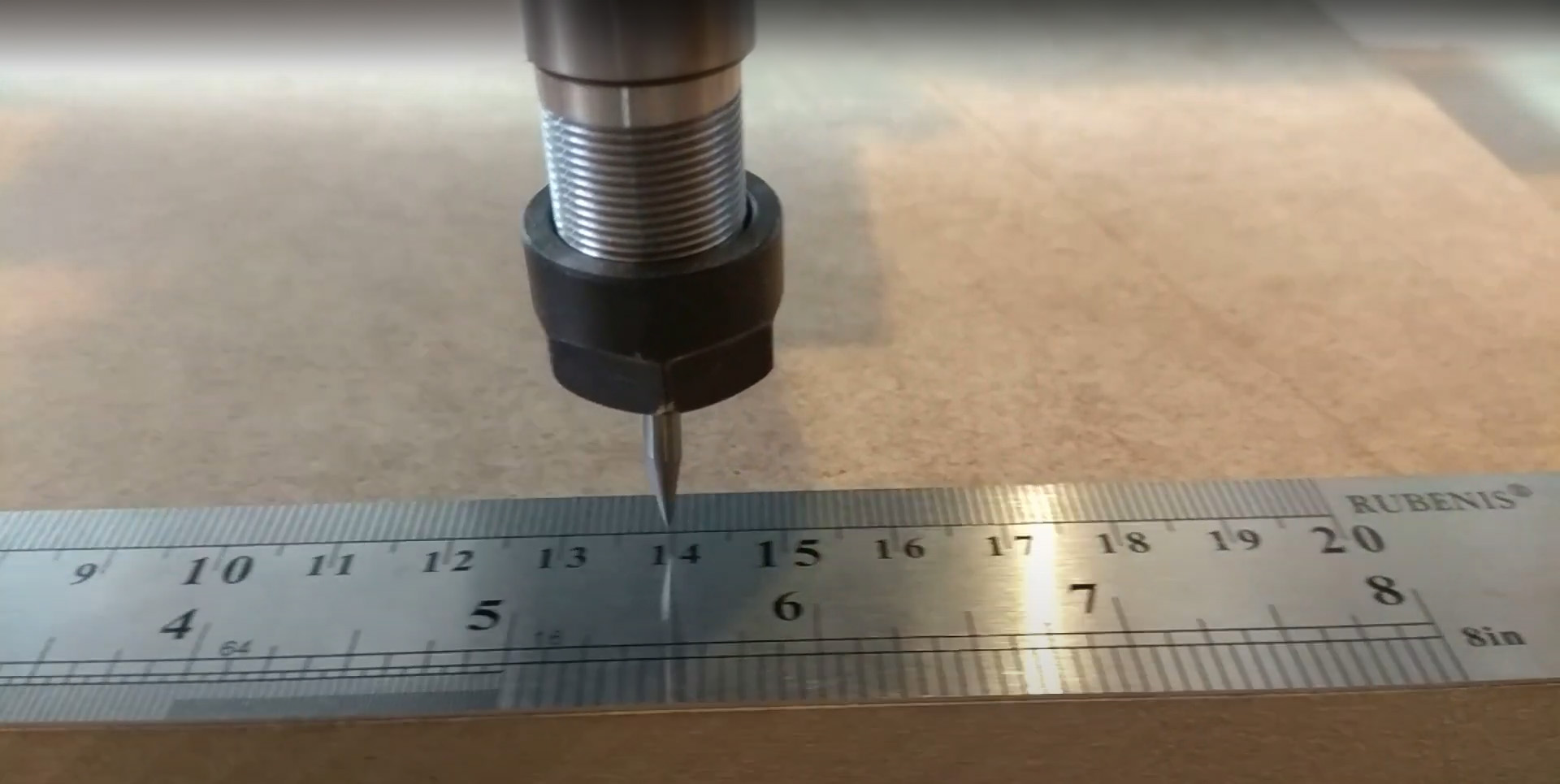
The actual movement is then measured using a caliper or measuring tape. If the machine travels a different distance, a correction factor must be calculated.
The new step/mm value can be determined using the formula:
New Step/mm = (Commanded Distance / Actual Distance) × Current Step/mm
This value is then updated in the CNC controller settings.
For detailed information about machine motion control principles, you may refer to:
https://en.wikipedia.org/wiki/Motion_control
https://en-wikipedia-org.translate.goog/wiki/Stepper_motor
Axis Adjustment
CNC Step/mm Calibration should be performed separately for each axis including X, Y, and Z.
Each axis may behave differently due to mechanical variations such as lead screw pitch or belt tension.
By calibrating all axes individually, users can achieve improved machining precision.
For related CNC machine setup projects, you may also explore:
https://www.beykana.com/category/cnc-projects/
Measurement Accuracy
Using precise measuring tools is essential during CNC Step/mm Calibration.
Digital calipers are recommended for accurate distance measurement. Improper measurement techniques may lead to incorrect calibration values.
Testing and Verification
After updating step/mm values, the machine should be tested again by commanding another movement.
If the measured distance matches the programmed value, the calibration process has been completed successfully.
Benefits of Manual Calibration
Manual CNC Step/mm Calibration allows users to:
- Improve machining precision
- Reduce dimensional errors
- Enhance repeatability
- Achieve better surface finishes
Regular calibration is especially important for machines that undergo mechanical modifications.
Workshop Efficiency
Accurate motion control improves the reliability of CNC operations and reduces material waste caused by machining errors.
CNC Step/mm Calibration contributes to more efficient fabrication processes.
Conclusion
A properly executed CNC Step/mm Calibration ensures that machine movement corresponds accurately to programmed instructions.
By manually adjusting motion parameters, users can achieve higher precision and improve overall machining performance.
Additional Calibration Considerations
Mechanical components such as lead screws, belts, pulleys, and couplers may affect the motion accuracy of a CNC machine over time. Even slight looseness or wear in these parts can introduce dimensional inconsistencies during machining operations. Regular inspection of mechanical assemblies ensures that motion transmission remains stable and predictable across all axes.
It is also recommended to perform periodic measurement checks after prolonged machine use. Environmental factors such as vibration or temperature changes may influence structural stability. By maintaining proper alignment and verifying movement distances when necessary, users can ensure long-term consistency in fabrication results.
Maintaining consistent motion accuracy is essential for achieving reliable machining performance in CNC fabrication projects. Periodic verification of machine movement helps prevent dimensional deviations that may occur during extended operation. This practice improves repeatability and ensures more accurate manufacturing results over time.
Content Images