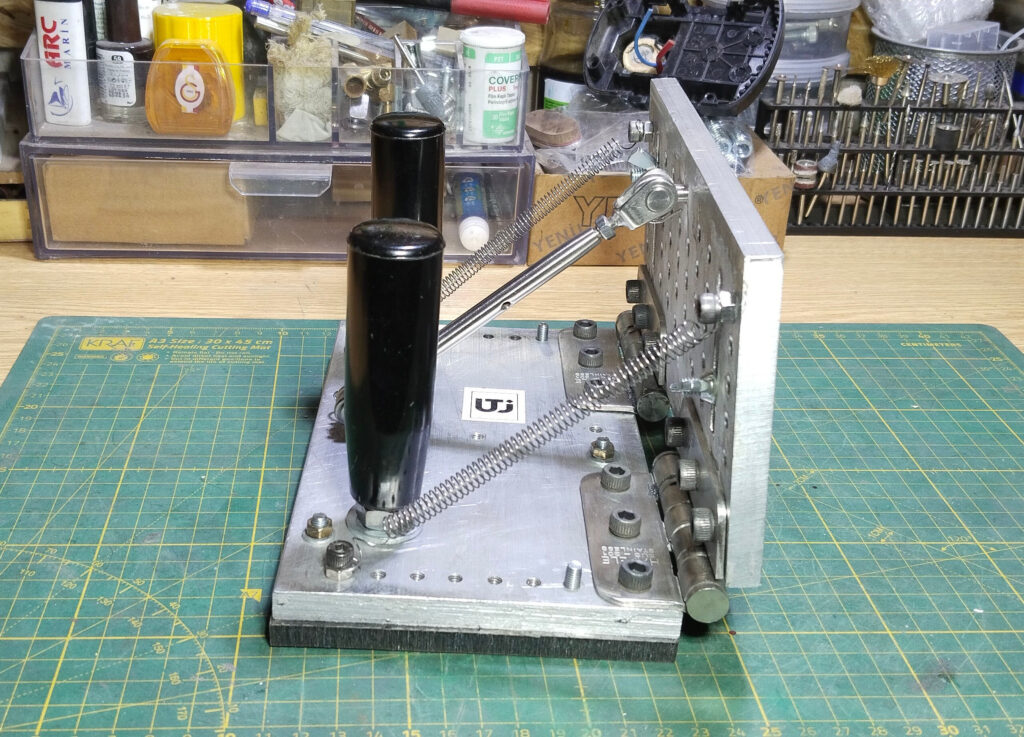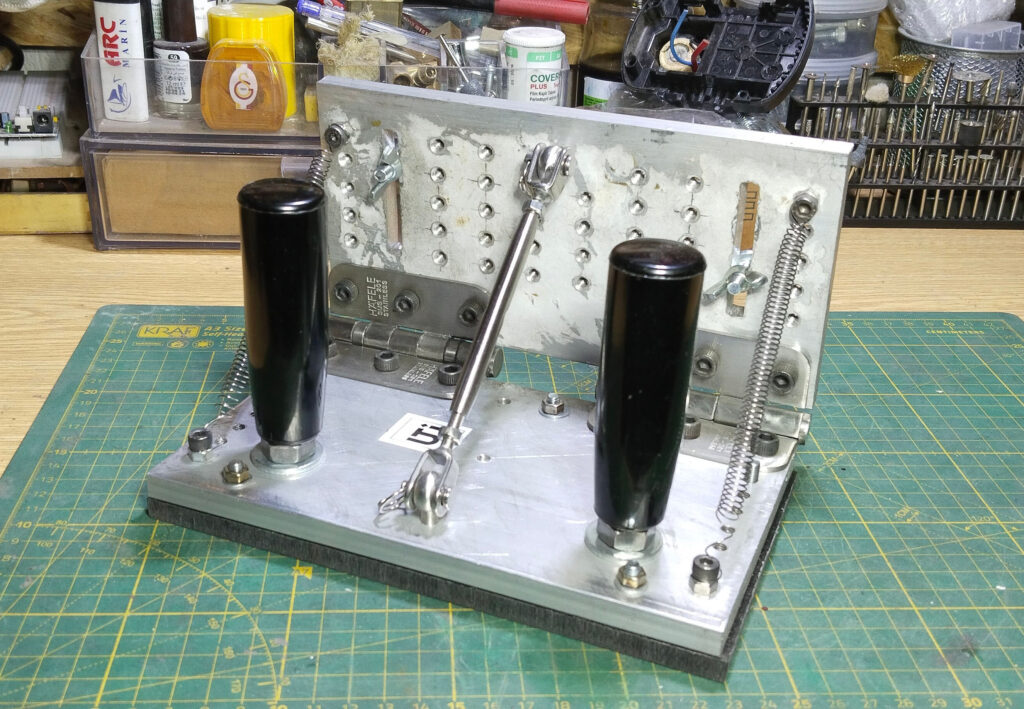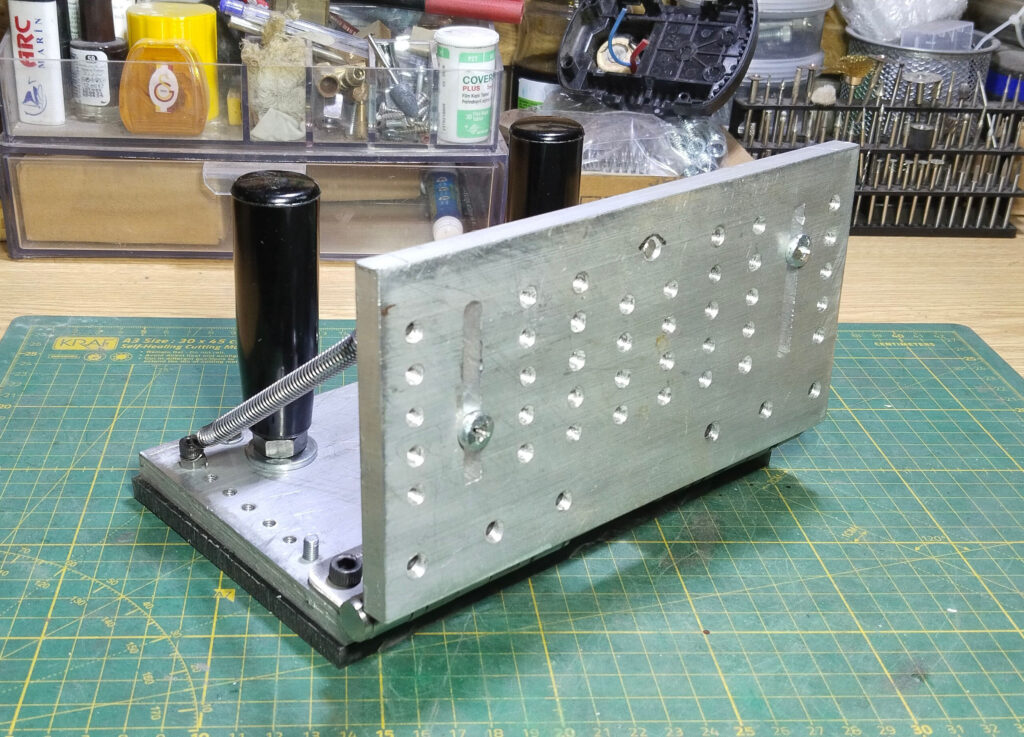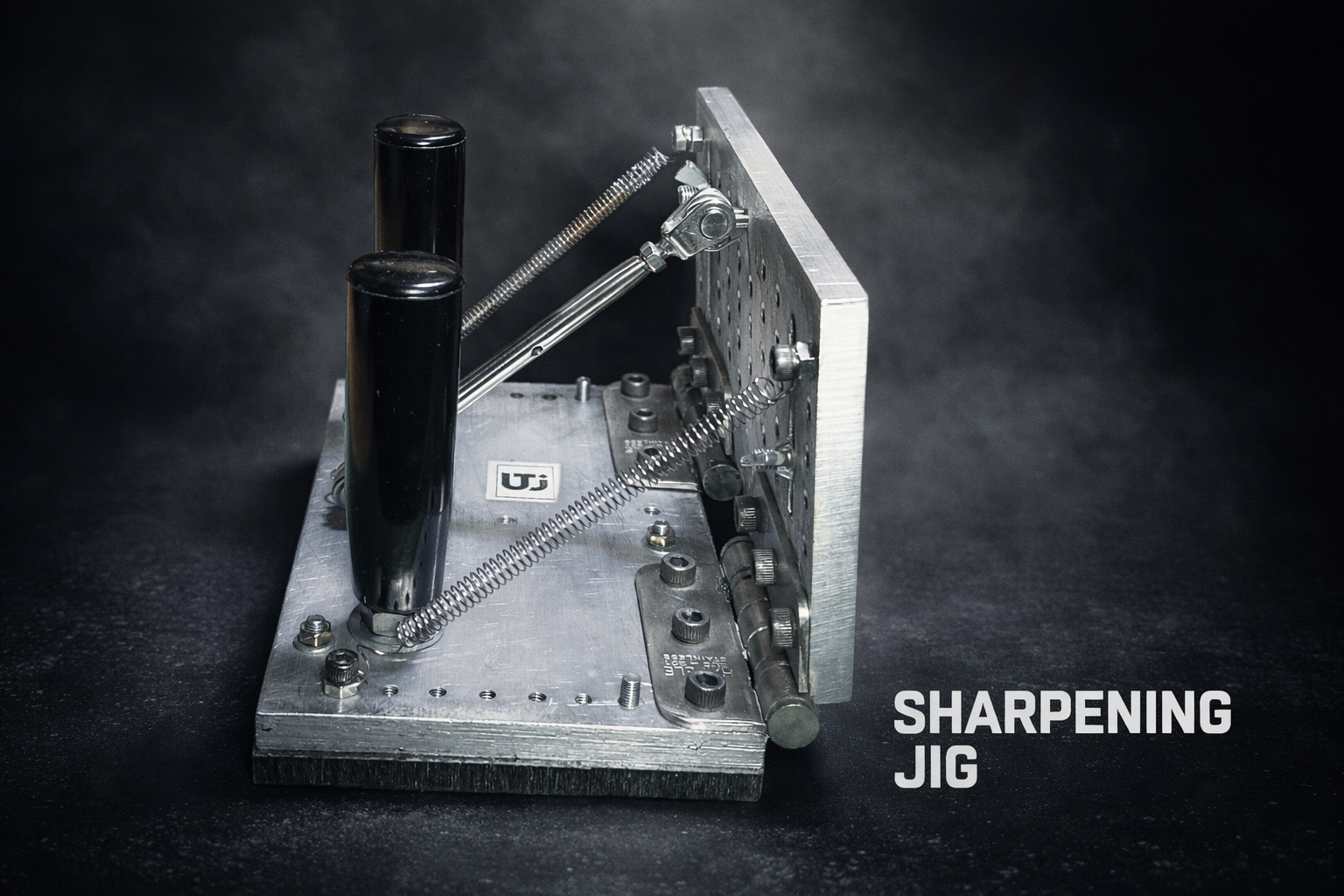

Professional Knife Sharpening Jig for Accurate Edge Geometry
A professional knife sharpening jig is one of the most valuable tools you can have in a knife making workshop. Maintaining a consistent bevel angle during sharpening can be extremely difficult when performed freehand, particularly when working with hardened blade steels. This is where a guided sharpening system becomes essential for maintaining accuracy, repeatability, and professional results.
In this project, we demonstrate how to build a DIY jig that helps maintain a fixed sharpening angle during grinding and finishing operations. A properly designed professional knife sharpening jig allows you to produce symmetrical bevels while significantly reducing the risk of overheating or uneven edge geometry.
Why Use a Professional Knife Sharpening Jig?
Freehand sharpening requires significant practice to master. Even experienced knife makers may struggle to maintain consistent angles across the entire blade length. A professional knife sharpening jig removes this variable by guiding the blade along a fixed path, ensuring predictable sharpening results every time.
Benefits of Using a Knife Sharpening Jig
Using a professional knife sharpening jig in your sharpening workflow offers several important advantages:
- Consistent bevel angle throughout the blade
- Reduced risk of edge burn during grinding
- Improved symmetry between bevel sides
- Faster sharpening process
- Better repeatability for multiple blades
These benefits become even more noticeable when working with steels commonly used in Beykana knife making projects such as N690 or Sleipner.
Design Considerations for a Professional Knife Sharpening Jig
When designing a sharpening jig, stability and adjustability are the two most important factors. The jig must securely hold the blade while allowing you to fine-tune the sharpening angle depending on the intended use of the knife.
Adjustable Angle Mechanism
A well-designed professional knife sharpening jig should allow:
- Angle adjustments between 10° and 25°
- Smooth sliding motion along the grinding platen
- Secure clamping without blade deformation
- Compatibility with belt grinders or sharpening stones
This level of adjustability ensures that the jig can be used for different blade types such as kitchen knives, outdoor knives, hunting knives, and survival knives.
👉 If you would like to explore our knife making content, you can visit our https://www.beykana.com/category/knife-making/ page.
Workshop Applications
A professional knife sharpening jig can be used in several workshop tasks including:
- Primary bevel grinding
- Secondary bevel finishing
- Edge sharpening
- Blade thinning
- Surface refinement
Because the jig maintains a stable angle during sharpening, it becomes easier to produce clean cutting edges with minimal material removal.
Improving Sharpening Accuracy
Precision sharpening is not only about the abrasive used but also about maintaining a constant angle throughout the sharpening process. A professional knife sharpening jig ensures that each grinding pass removes material evenly from both sides of the blade.
Additionally, guided sharpening helps reduce user fatigue during extended grinding sessions. This is particularly important in custom knife making where multiple blades may require identical edge geometry and consistent sharpening angles.
If you want to learn more about sharpening angles and blade geometry, you can visit: Wikipedia – Knife Sharpening
Workshop Efficiency and Long-Term Benefits
Building your own professional knife sharpening jig significantly improves workshop efficiency. It reduces sharpening time while allowing better control over the final edge geometry. Many knife makers prefer jig-assisted sharpening when working on custom blades where symmetry and repeatability are critical.
A well-built professional knife sharpening jig can also extend the lifespan of your abrasive belts by minimizing unnecessary grinding pressure and uneven material removal.
In the long term, investing time into creating a stable and adjustable professional knife sharpening jig is one of the most practical upgrades you can make for your knife making workflow. It enhances sharpening precision, reduces material waste, and ensures that each blade achieves a professional-level cutting edge finish.
Content Images