
Introduction to Bushcraft Knife Making
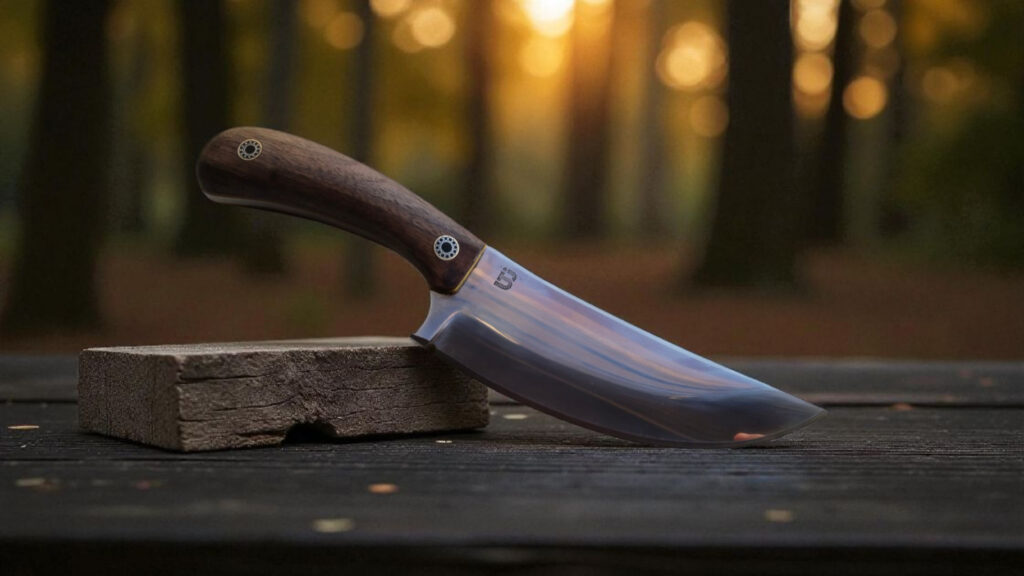
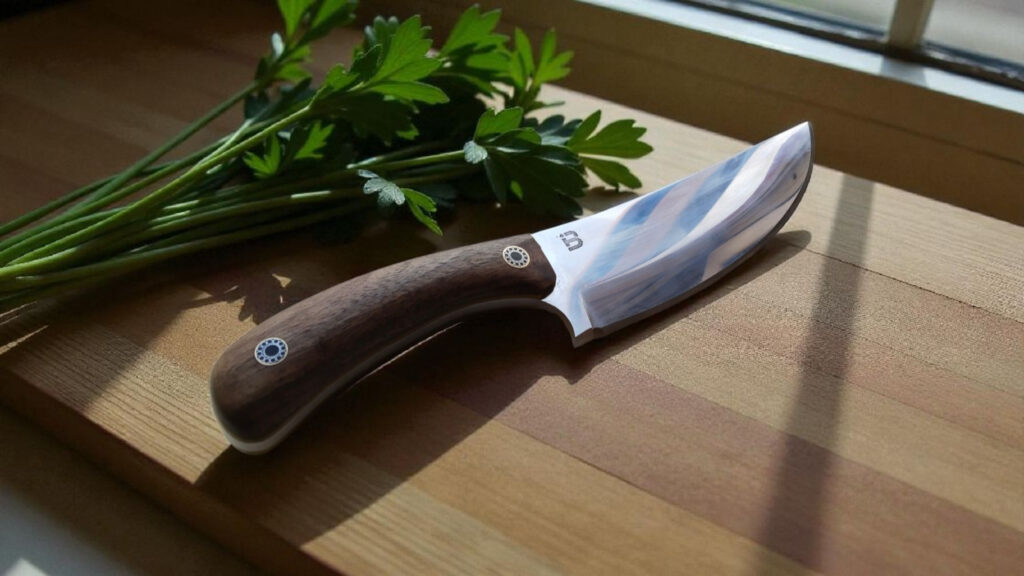
Building a bushcraft knife by hand is one of the most satisfying DIY projects for outdoor enthusiasts and survival gear makers. A bushcraft knife is designed for wilderness tasks such as carving wood, preparing food, and building shelter materials using natural resources . Unlike tactical knives, a bushcraft knife focuses on control, durability, and practical use in real outdoor environments.
In this project, we demonstrate how to make a handmade bushcraft knife using basic workshop equipment and steel stock material. This DIY bushcraft knife build is suitable for camping, survival situations, and everyday outdoor activities.
Blade Profiling and Cutting
The first step in making a bushcraft knife is creating the blade profile. After transferring your design to the steel blank, the cutting process can begin using an angle grinder or bandsaw. Precision at this stage ensures the final bushcraft knife maintains balanced geometry for carving and slicing tasks.
Bushcraft knives are typically used for shaping wood, splitting kindling, and preparing fire materials . Because of this, it is important that the blade spine remains thick enough to withstand batoning forces.
Bevel Grinding Process
Once the blade profile is completed, the bevel grinding process begins. Grinding the primary bevel is essential for achieving cutting performance. Most bushcraft knife makers prefer a flat or Scandi grind for improved wood carving ability.
Maintaining symmetry during bevel grinding ensures that the bushcraft knife performs consistently during outdoor tasks. Heat buildup during grinding must be minimized by periodically cooling the blade in water to avoid altering the steel hardness.
Heat Treatment Preparation
Before heat treatment, the bushcraft knife blade must be cleaned and prepared. Proper hardening improves edge retention and ensures the blade can withstand demanding wilderness use.
If you want to understand how bushcraft survival skills rely on practical tools like knives, you can explore this external guide: bushcraft survival skills
This process enhances the durability of the handmade bushcraft knife and prepares it for long-term field use.
Handle Installation and Ergonomics
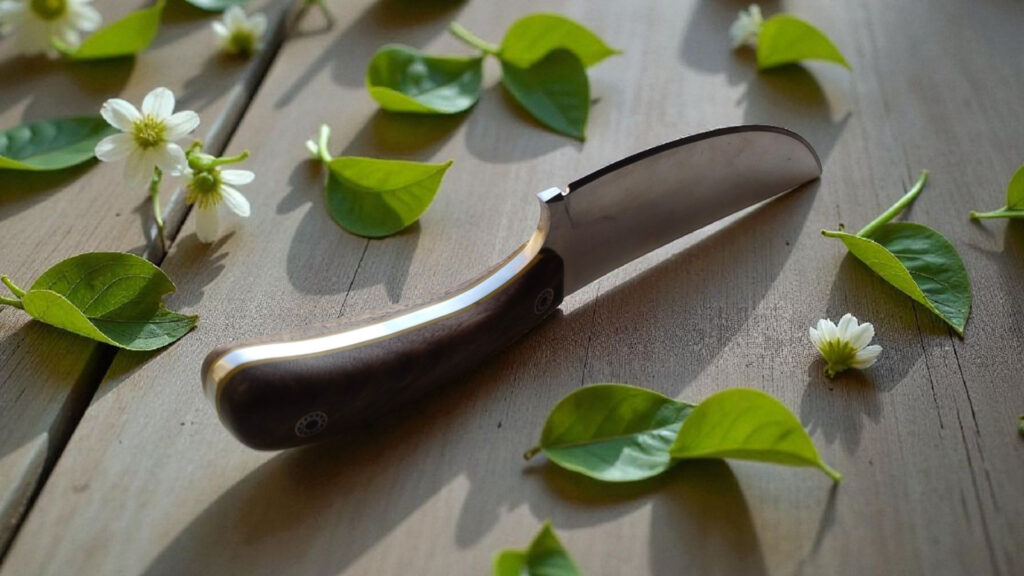
After completing heat treatment and final polishing, the handle scales are installed. Ergonomic handle design is essential for extended usage during carving or shelter building tasks.
You can also see another DIY cutting tool project from our workshop here: magnetic vise upgrade project
Proper handle alignment ensures that your bushcraft knife remains comfortable and safe during demanding tasks in the outdoors.
Final Sharpening and Finishing
The final stage of the bushcraft knife making process involves sharpening and surface finishing. Using fine-grit sandpaper or polishing belts improves corrosion resistance and aesthetic quality.
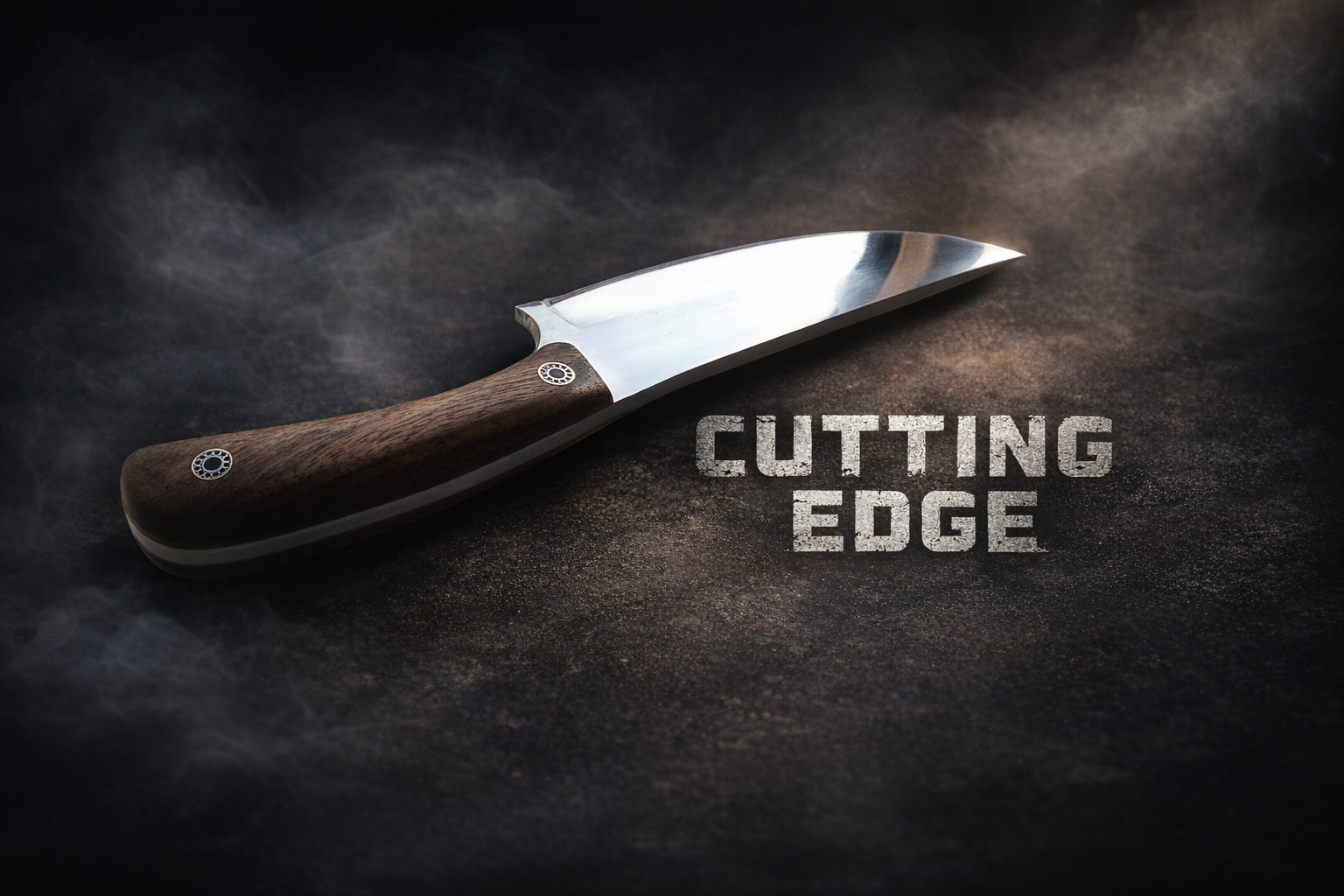
A well-finished bushcraft knife becomes an essential survival tool for camping, hiking, and off-grid activities. This DIY project demonstrates how workshop skills can be applied to create a reliable bushcraft knife suitable for real outdoor environments.
Practical Outdoor Knife Usage
In real outdoor environments, handmade cutting tools are frequently used for multiple survival-related tasks such as carving wooden tent stakes, preparing feather sticks for fire starting, and splitting small branches into kindling. These types of tools must maintain a balance between sharpness and structural strength in order to perform efficiently during extended field use.
Outdoor enthusiasts often rely on handcrafted tools when engaging in wilderness activities such as hiking, camping, or shelter construction. Properly finished blades are capable of handling repetitive cutting tasks without deformation or edge damage.
If you want to understand more about outdoor survival tool preparation techniques, you can review this detailed resource: wood carving techniques
You may also explore another workshop upgrade project that improves workpiece stability during blade grinding here: magnetic vise modification guide
Maintaining ergonomic grip and proper blade alignment significantly improves user safety during woodworking operations. These features are especially important when working with natural materials such as hardwood branches or dry timber during off-grid camping trips.
Regular maintenance such as edge honing and surface cleaning helps preserve long-term performance and corrosion resistance. Consistent upkeep ensures that handmade workshop tools remain functional in challenging outdoor conditions.
Content Images