
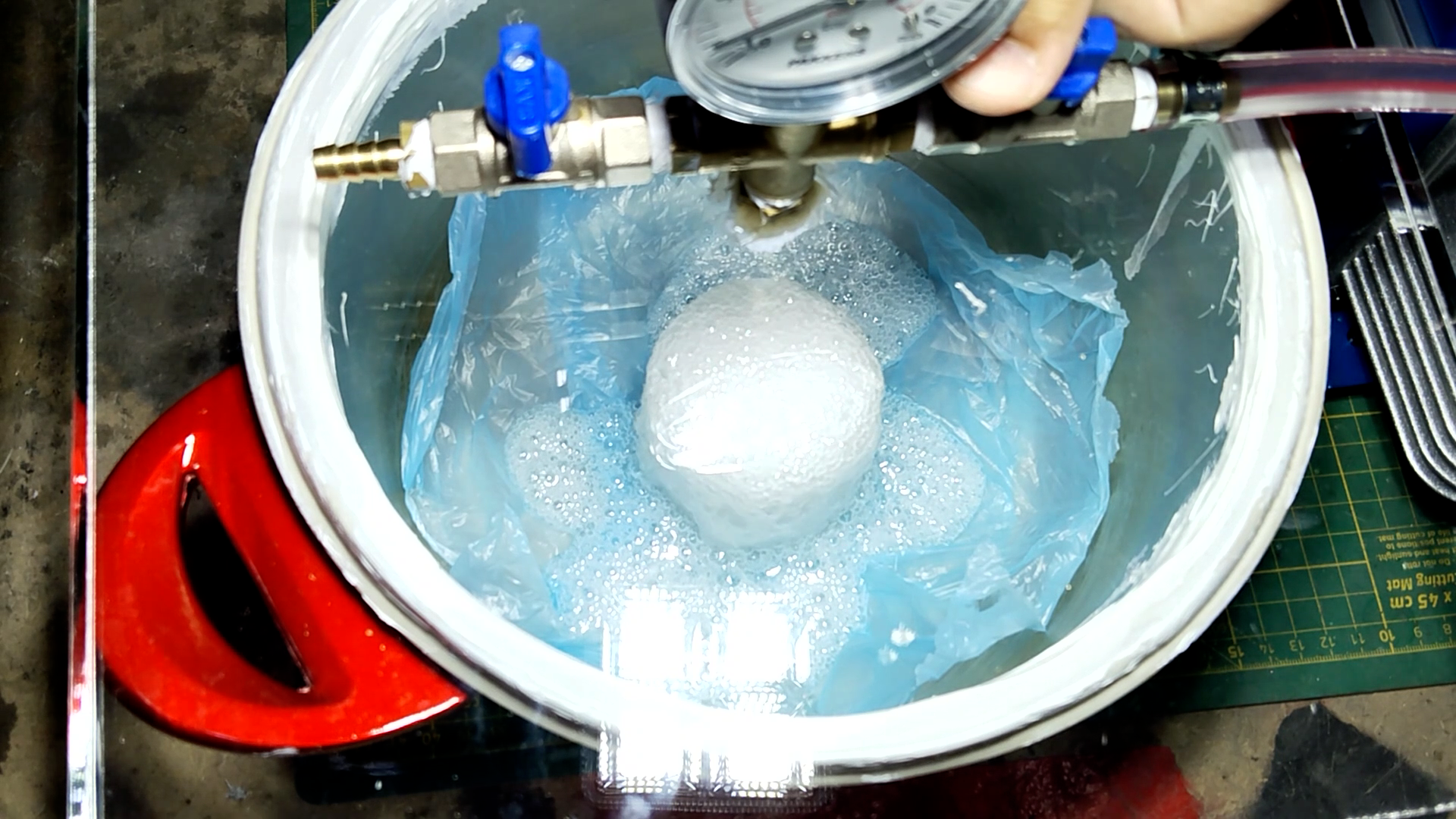

Air bubbles are the ultimate enemy of any resin artist or woodworker. You spend hours perfecting a mold and mixing your resin, only to find unsightly micro-bubbles ruining your crystal-clear finish. While commercial degassing systems are highly effective, they often come with a hefty price tag.
If you are looking for an affordable yet professional solution, building a DIY vacuum chamber is the perfect weekend project. In this comprehensive guide, we will walk you through how to transform an old pressure cooker and a sheet of acrylic into a high-performance epoxy degassing system.
Why You Need a DIY Vacuum Chamber for Epoxy Resin
When you mix epoxy resin and hardener, air gets trapped inside the viscous liquid. Without proper degassing, these bubbles remain locked in your final cure. A DIY vacuum chamber works by dropping the atmospheric pressure inside the container to a near-vacuum state (-1 bar or 30 inHg).
Under this negative pressure, the trapped air bubbles rapidly expand, rise to the surface, and burst. This process ensures a flawless, bubble-free casting for river tables, jewelry, and deep-pour resin projects.
Materials Needed for Your DIY Vacuum Chamber Setup
You don’t need expensive machined parts to build an airtight system. Here is the exact checklist used in our project:
- The Chamber: A 5-liter stainless steel pressure cooker body (durable and built to withstand pressure).
- The Lid: A 30×30 cm cast acrylic (Plexiglass) sheet, 1.5 cm thick (essential for visual monitoring during degassing).
- Vacuum Pump: Value VE115N vacuum pump.
- Manifold System: A vacuum gauge (vacuummeter), brass nipples, ball valves, and T-connectors.
- Sealing: Teflon tape and custom-molded silicone sealant (using the original pressure cooker gasket as a mold).
Step-by-Step Guide: How to Make a DIY Vacuum Chamber
Building your own degassing chamber requires precision, especially when it comes to drilling and ensuring an airtight seal.
Step 1: Preparing the Acrylic Lid The thick acrylic sheet serves as your window into the chamber. Center the sheet over your pressure cooker. Mark the middle point and carefully drill a 12 mm hole. Using heat and a brass fitting, thread the hole to create a secure port for your manifold.
Step 2: Assembling the Vacuum Manifold Wrap all brass threads tightly with Teflon tape. Connect the vacuum gauge, the main suction valve, and a secondary air-release valve to a T-connector. Screw this entire manifold assembly into the acrylic lid.
Step 3: Creating a Perfect Silicone Seal Standard lids won’t hold a vacuum without a custom gasket. We used the original rubber gasket of the pressure cooker as a mold, filling it with premium silicone to cast a custom-fitted flat seal directly underneath the acrylic lid.
Testing the System: Epoxy Degassing Test
Once the silicone fully cures, it’s time for the ultimate test. Connect your Value VE115N vacuum pump to the intake valve and turn it on.
Watch the step-by-step assembly, custom gasket casting, and the live epoxy bubble test in our detailed video below:
As seen in the video, the chamber easily pulls down to a deep vacuum. When a cup of freshly mixed, bubble-heavy epoxy is introduced, the resin rises rapidly as the air expands, boils over with bubbles, and then collapses into a perfectly clear liquid.
Crucial Safety Tips for DIY Vacuum Systems
Working with negative pressure carries structural risks. Keep these safety tips in mind:
- Never Use Thin Plastic or Glass: Glass jars can implode violently under vacuum. Always stick to thick stainless steel or aluminum pots and heavy-duty cast acrylic for lids (minimum 15mm thickness).
- Watch the Rise: Epoxy expands up to 3–4 times its original volume under vacuum. Always use a mixing cup that is much larger than the volume of your resin to prevent overflows inside your new chamber.
Building your own DIY vacuum chamber is not only a fantastic budget saver but also a rewarding project that elevates the quality of your hobby crafts.
Have you tried making your own workshop tools? Let us know your thoughts and questions in the comments section below!