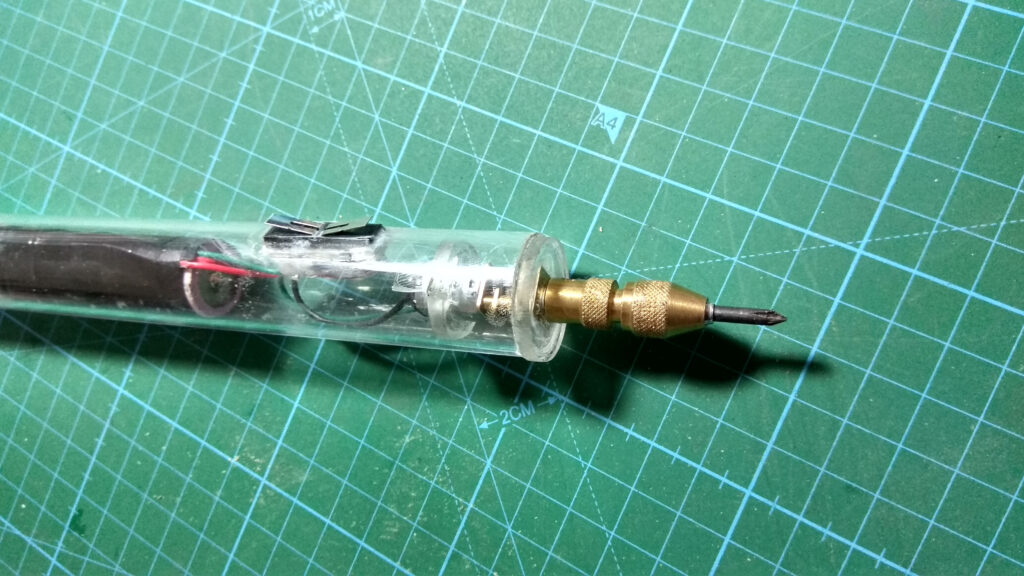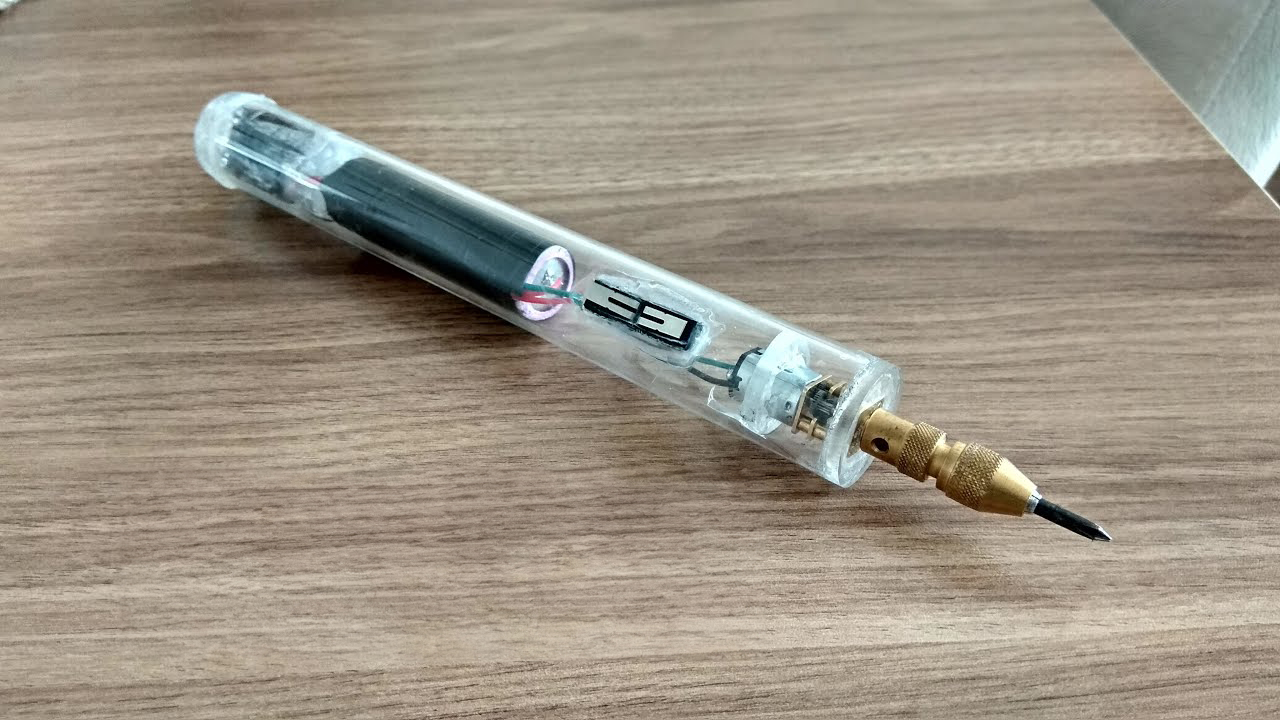

Mini Electric Screwdriver for DIY Maker Projects
A mini electric screwdriver is a practical tool for small-scale assembly tasks in electronics, 3D printing projects, and workshop environments. Instead of using manual screwdrivers for repetitive fastening tasks, a compact powered device improves efficiency and reduces user fatigue.
Building your own mini electric screwdriver allows you to customize torque output, motor selection, and enclosure design based on your project requirements.
Why Build a Mini Electric Screwdriver?
Commercial precision screwdrivers can be expensive or lack modular design features. A DIY mini electric screwdriver provides flexibility in terms of battery selection and speed control.
Advantages of a DIY Build
- Custom torque output
- Replaceable battery pack
- Lightweight design
- Compact housing
- Rechargeable system
These advantages make a mini electric screwdriver ideal for maker workshops.
Components Used in a Mini Electric Screwdriver
Typical components include:
- DC motor
- Lithium-ion battery
- Charging module
- Switch system
- Gear reduction mechanism
Selecting the right motor improves torque control during fastening operations.
👉 You may also want to read: https://www.beykana.com/category/electronics-projects/
Enclosure Design Considerations
A custom housing for your mini electric screwdriver can be produced using 3D printing. This allows you to create a compact enclosure that protects internal electronics.
Benefits of 3D Printed Housing
- Lightweight structure
- Custom-fit components
- Improved ventilation
- Easy modifications
- Replaceable parts
A modular enclosure also simplifies maintenance.
Workshop Applications
A mini electric screwdriver can be used for:
- Electronics assembly
- 3D printer maintenance
- CNC component installation
- Device repair
- Prototype assembly
If you would like to learn more about electric screwdriver mechanisms, you can visit: Wikipedia – Screwdriver
Additional Usage Tips
Maintaining proper alignment during fastening helps prevent screw head damage. Periodically charging the battery improves long-term tool reliability.
Testing torque output before assembly operations is recommended.
Final Considerations
Building a mini electric screwdriver allows makers to create a customized tool for workshop use. Proper component selection and assembly improve long-term performance.
Additional Assembly Notes
When building a compact powered fastening tool, internal component placement plays an important role in overall usability and balance. Ensuring that the motor shaft, battery pack, and control switch are aligned correctly within the enclosure helps improve torque transmission and reduces mechanical resistance during operation. A well-balanced housing design also minimizes vibration during use and improves handling precision when working with small screws in electronics or device assembly tasks. Proper insulation between internal electrical connections should be maintained to prevent accidental short circuits during repeated use in workshop environments.
Wiring Diagram Reference
If you would like to better understand the electrical wiring layout used in this project, you can review the connection diagram provided at the following link: https://ibb.co/4Y3h1v6. This wiring reference illustrates how the battery pack, motor, and control switch are connected to ensure safe and efficient operation of the screwdriver mechanism. Reviewing the wiring layout before assembly can help prevent incorrect polarity connections and improve the reliability of the final build during practical workshop applications.
Practical Usage in Maker Projects
Compact powered fastening tools are widely used in maker environments where repetitive assembly tasks are performed. When assembling small electronic devices, 3D printed components, or CNC machine accessories, maintaining consistent fastening pressure becomes important for structural stability. A lightweight screwdriver design improves maneuverability in tight spaces and reduces wrist fatigue during prolonged use. Periodically checking battery charge levels before use helps maintain consistent motor performance during fastening operations. Using controlled trigger pressure during operation also prevents excessive torque from damaging delicate screw heads or threaded inserts in plastic parts commonly used in prototyping workflows.
Maintenance Recommendations
Regular inspection of electrical connections and mechanical joints helps maintain long-term reliability during repeated use. Keeping the internal components secured within the enclosure also prevents unwanted movement that may affect torque transfer efficiency over time.
Content Images