
CNC Wooden Coaster Project for DIY Makers
Creating a CNC wooden coaster is an excellent beginner-friendly project for anyone interested in CNC machining and woodworking. Using a CNC router allows you to achieve consistent engraving depth and smooth edges that are difficult to produce manually.
This project demonstrates how precision machining can be applied to small-scale decorative items such as drink coasters.
Why Choose a CNC Wooden Coaster Project?
A CNC wood project is ideal for learning basic CNC routing principles. It allows users to experiment with toolpaths, engraving depth, and finishing techniques while working with manageable material sizes.
Advantages of CNC Wood Projects
- Precise engraving
- Repeatable production
- Custom design options
- Smooth edge finishing
- Improved workflow efficiency
A CNC wooden coaster project also provides an opportunity to understand material removal rates and spindle speed adjustments.
Material Selection for CNC Wooden Coaster
Choosing the right wood type is important for achieving clean engraving results in a CNC wooden coaster project.
Commonly used materials include:
- MDF
- Plywood
- Birch
- Walnut
- Oak
Each material offers different engraving characteristics depending on grain density and hardness.
CNC Toolpath Preparation
Toolpath preparation determines the quality of the final CNC wooden coaster. Using CAD/CAM software allows you to define engraving depth and cutting paths accurately.
Maintaining correct feed rate and spindle speed improves surface finish during milling operations.
👉 You may also want to read: https://www.beykana.com/category/cnc-projects/
Machining the CNC Wooden Coaster
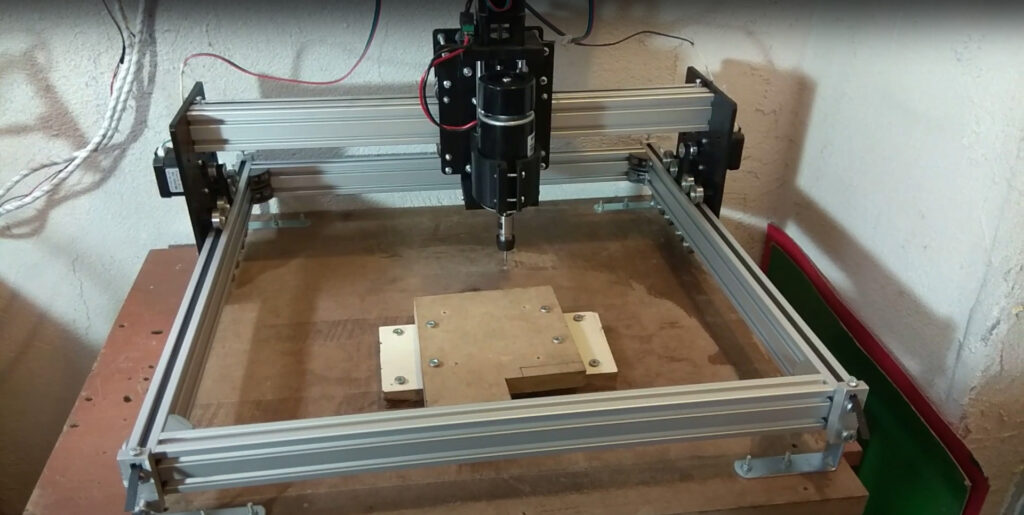
During machining, ensuring proper clamping of the wooden workpiece prevents unwanted movement.
Factors Affecting Machining Quality
- Spindle speed
- Feed rate
- Tool sharpness
- Material hardness
- Clamping stability
Balancing these parameters ensures a smooth wooden coaster surface.
Surface Finishing Techniques
After machining, sanding and sealing improve the appearance of the CNC wooden coaster.
Finishing steps may include:
- Sanding
- Applying varnish
- Using wood oil
- Protective coating
Proper finishing protects the wood surface from moisture.
Workshop Applications
A CNC wooden coaster can be used for:
- Home décor
- Gift items
- Custom branding
- Product prototypes
- Workshop demonstrations
If you would like to learn more about CNC machining, you can visit: Wikipedia – Numerical Control
Design Customization Options
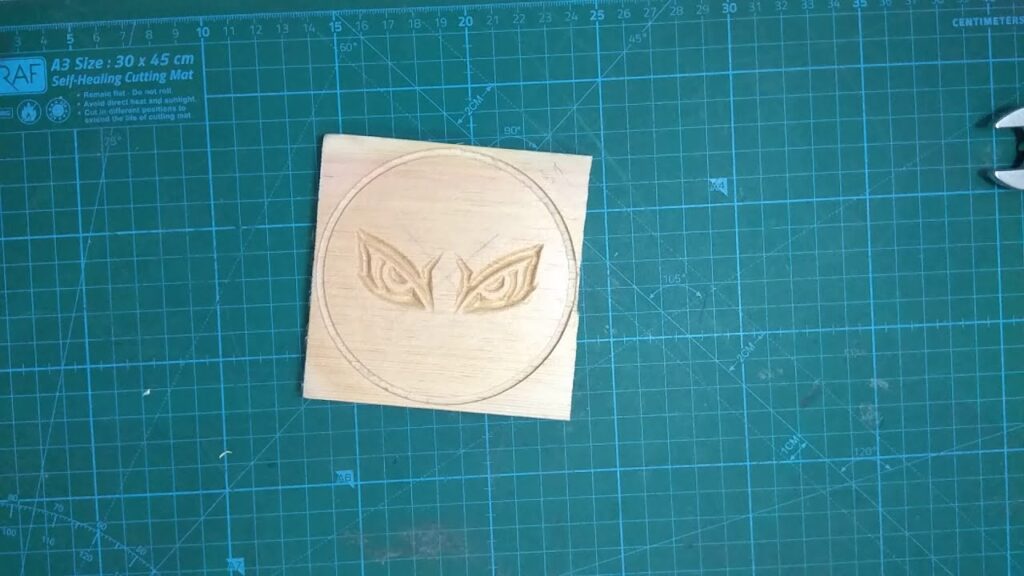
Custom engraving patterns can be applied to CNC wooden coaster surfaces using vector design software. Adding logos or text increases the personalization of the finished product.
Adjusting engraving depth allows users to create different visual effects.
Production Efficiency
Batch production of engraved coaster items becomes easier once toolpath parameters are optimized.
Repeatability of CNC machining ensures uniform product quality.
Final Considerations
Creating a CNC wooden coaster helps users understand machining workflows and material behavior during milling operations.
With proper setup and finishing, a CNC wooden coaster can become both decorative and functional.
Additional Production Notes
When working on small-scale decorative wood projects using CNC equipment, maintaining proper alignment of the workpiece throughout the machining process plays an important role in achieving consistent engraving depth. Even slight movement during milling may affect surface quality and create uneven carving results. Using stable clamping systems helps prevent unwanted displacement of the wooden material during toolpath execution.
Surface Finishing Recommendations
After machining is complete, applying multiple sanding passes with gradually increasing grit levels improves the smoothness of the surface and enhances the final appearance of the engraved pattern. Protective finishes such as wood oil or clear coating may also be applied to improve moisture resistance and prolong the durability of the coaster surface during everyday use.
Workshop Efficiency Considerations
Maintaining a clean working surface during machining operations helps reduce dust accumulation on the wooden material and improves overall carving accuracy. Periodically checking tool condition before starting the milling process can also prevent surface imperfections during engraving.
Content Images