
Introduction to Variable Speed Belt Sander Project
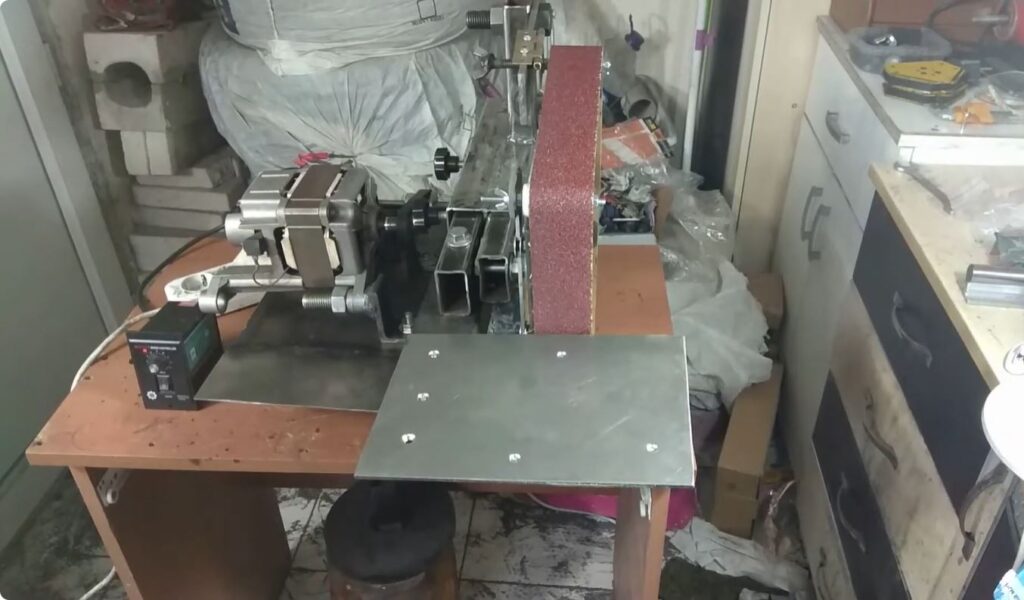
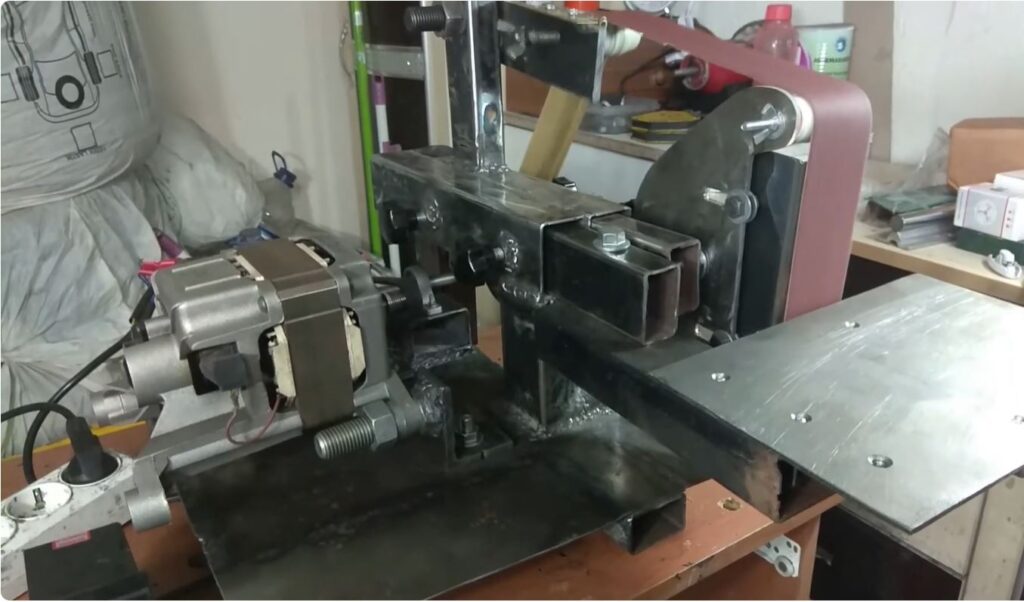
In modern DIY workshops, repurposing household components into functional fabrication tools is both cost-effective and technically rewarding. This project focuses on building a Variable Speed Belt Sander using a washing machine motor to create a reliable grinding and sanding solution for various workshop applications. Washing machine motors are known for their durability, torque output, and compatibility with adjustable speed control systems, making them ideal candidates for such transformations.
Instead of investing in expensive commercial sanding machines, hobbyists and makers can construct their own Variable Speed Belt Sander with readily available components. This approach allows greater customization and performance optimization according to individual project requirements.
Why Use a Washing Machine Motor?
Washing machine motors are designed for long-term repetitive motion under varying load conditions. These characteristics make them suitable for continuous sanding operations without performance degradation. When integrated with a speed control unit, the motor enables precise adjustment of belt rotation speed depending on material hardness and sanding requirements.
Using adjustable rotation control in a Variable Speed Belt Sander helps prevent material burning, excessive heat generation, and unnecessary abrasive wear. It also improves overall finishing quality, especially when working on metals, plastics, or wooden surfaces in fabrication tasks.
Mechanical Design Considerations
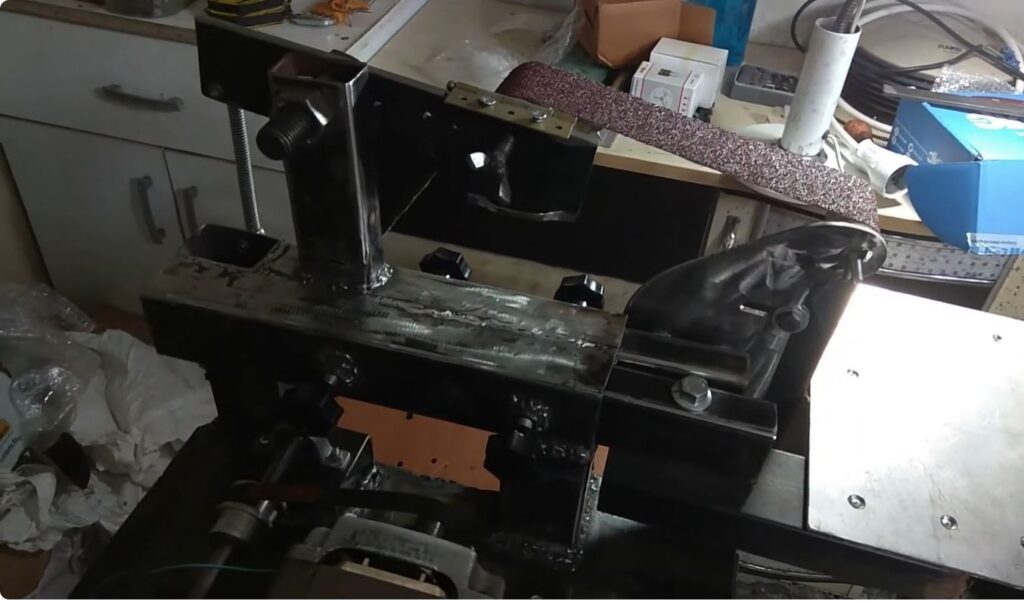
The frame structure of the sanding machine plays a crucial role in ensuring stable operation. Proper alignment between the drive wheel and tracking system minimizes vibration and enhances sanding accuracy. A well-balanced design ensures that the abrasive belt maintains uniform contact with the workpiece throughout the sanding process.
In addition, installing a tension adjustment mechanism allows users to replace or reposition the sanding belt easily. This flexibility becomes particularly useful during prolonged workshop sessions where different grit levels may be required for surface preparation or final finishing.
Speed Control Integration
One of the most important aspects of this project is implementing an adjustable speed control system. This enables the Variable Speed Belt Sander to operate across a wide range of RPM values depending on application requirements.
Lower rotational speeds are recommended for precision sanding and finishing tasks, while higher speeds may be used for aggressive stock removal. Integrating speed control also helps reduce mechanical stress on the abrasive belt and prolongs the lifespan of both the motor and sanding components.
Workshop Applications
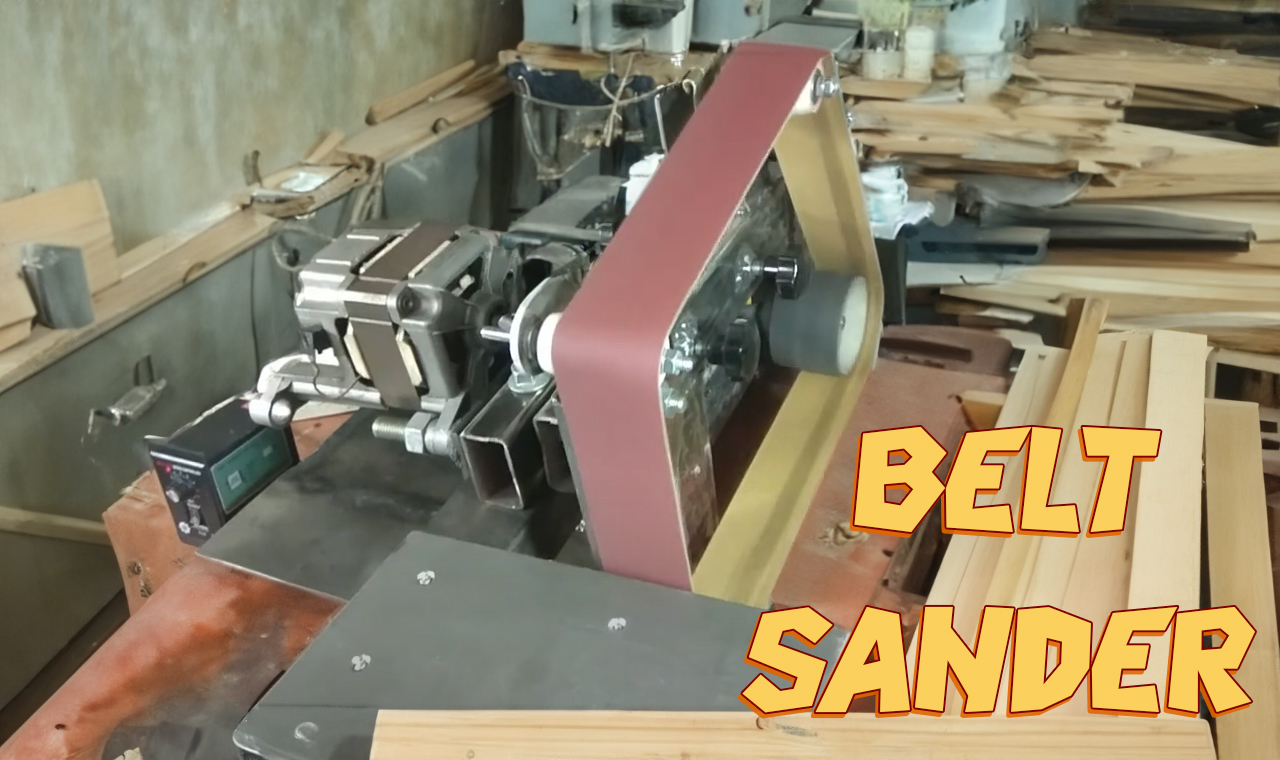
The completed Variable Speed Belt Sander can be utilized in various fabrication processes such as metal surface preparation, edge rounding, blade shaping, and woodworking applications. For makers working on projects similar to knife manufacturing processes frequently featured on the Beykana YouTube channel, this type of machine can significantly improve grinding efficiency.
You may also want to read: https://www.beykana.com/category/cnc-projects/
Safety Recommendations
When operating any motor-driven sanding equipment, appropriate safety precautions should always be followed. Ensuring secure mounting of the sanding frame prevents unwanted displacement during high-speed operations. Using protective eyewear and maintaining adequate ventilation inside the workspace further enhances user safety.
Additionally, periodic inspection of belt alignment and mechanical connections helps maintain consistent sanding performance over time.
External Reference
For more information about motor speed regulation principles in DIY equipment, you can review technical resources available at:
👉 https://en.wikipedia.org/wiki/Motor_controller
Video Embed Placement
Performance Optimization and Practical Usage
After completing the mechanical assembly and electrical integration of your Variable Speed Belt Sander, fine-tuning the operational performance becomes an essential step for achieving consistent sanding results. The adjustable speed capability allows users to adapt the sanding process according to different material types such as hardwood, mild steel, aluminum, or composite plastics. For instance, when working on precision projects like handmade knife profiles frequently produced in Beykana workshop builds, operating the sanding belt at lower RPM values helps maintain dimensional accuracy while preventing excessive thermal buildup on the blade surface.
Higher speed settings, on the other hand, may be used during initial material removal stages where aggressive sanding is required. This flexibility transforms the Variable Speed Belt Sander into a multi-purpose fabrication tool that supports both rough grinding and final finishing tasks within the same setup. Furthermore, controlling the belt speed minimizes abrasive wear and reduces unnecessary motor strain during prolonged workshop usage.
Another advantage of using a washing machine motor in this configuration is its inherent torque stability. Even under fluctuating load conditions, the motor maintains steady rotational output, ensuring smooth belt movement across the sanding surface. This directly contributes to improved surface consistency and eliminates unwanted chatter marks during sanding operations.
Users may also integrate interchangeable sanding belts with varying grit values depending on project requirements. Coarse grit belts are ideal for rapid stock removal, whereas finer grit belts are recommended for polishing and surface finishing applications. Combining these belt options with adjustable speed control significantly enhances the usability of the Variable Speed Belt Sander across multiple workshop scenarios.
Ultimately, implementing performance optimization strategies not only improves sanding efficiency but also extends the overall service life of mechanical components. Routine inspection of belt alignment, motor mounting brackets, and electrical connections ensures long-term operational stability and safe usage of the DIY sanding machine in everyday workshop environments.
Conclusion
Building a Variable Speed Belt Sander from a washing machine motor is an efficient way to transform unused household components into practical workshop machinery. With adjustable speed control and a stable mechanical design, this DIY solution offers versatility across a wide range of fabrication and finishing tasks.
Content Images