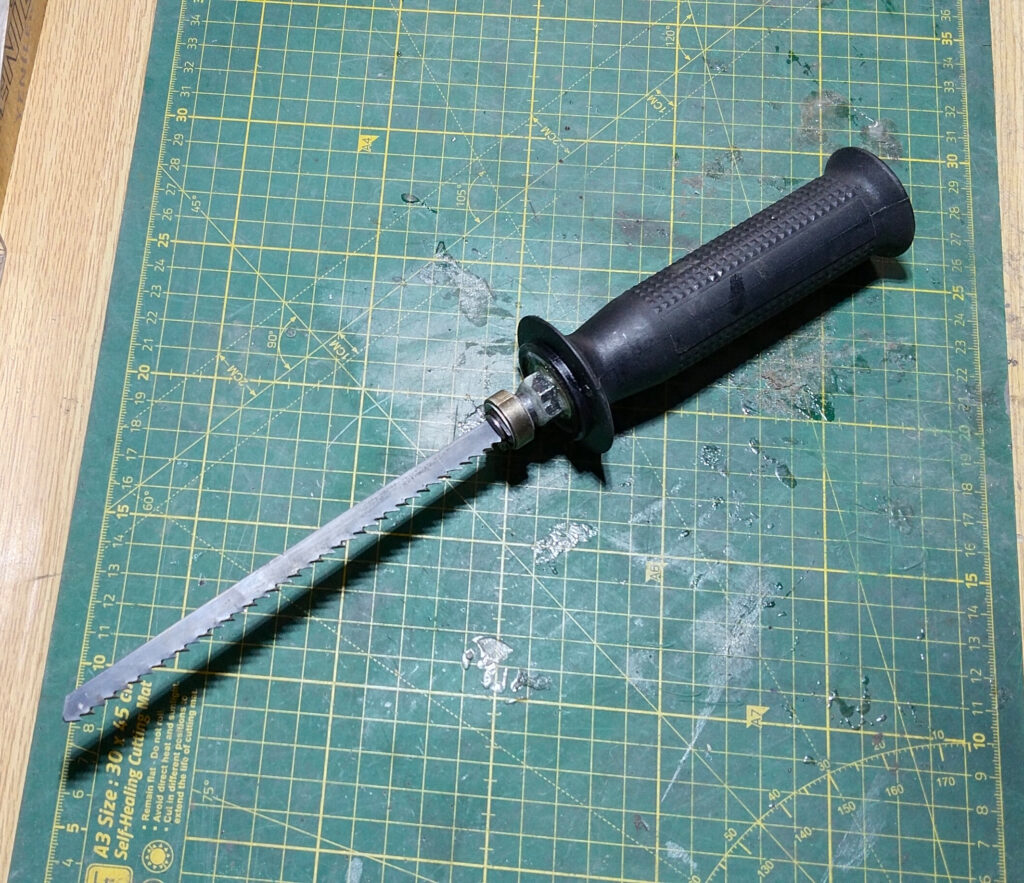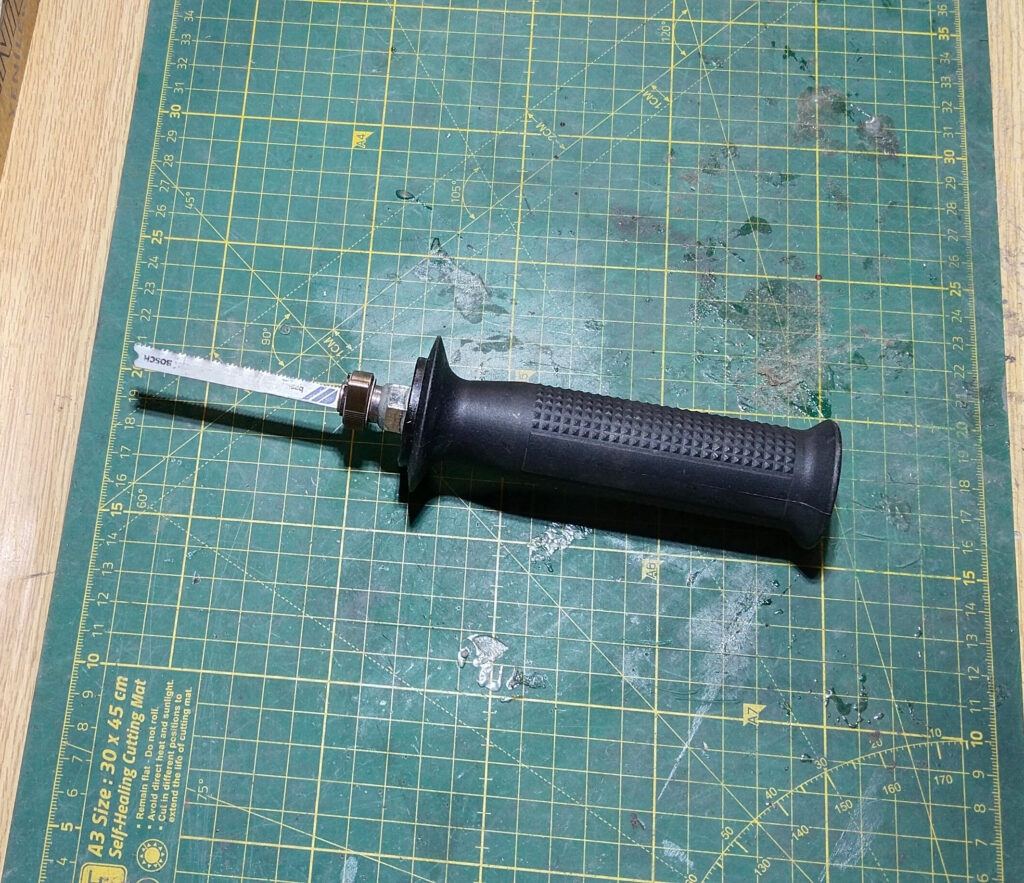

What Is a Mini Piston Saw?
A mini piston saw is a compact reciprocating cutting tool that converts rotary motion into linear back-and-forth movement using a simple piston-driven mechanism. Unlike traditional cutting machines, this DIY mini piston saw is designed for precision workshop applications where space is limited and portability is important. Maker enthusiasts and DIY tool builders often prefer this type of reciprocating setup for small-scale metal, plastic, or wood cutting tasks.
In this project, we demonstrate how a mini piston saw can be built using easily accessible materials and standard workshop tools. This compact DIY build is ideal for hobbyists who want to create their own functional cutting equipment without investing in expensive commercial machines.
How Does a DIY Reciprocating Mechanism Work?
The working principle behind a mini piston saw is based on converting rotational motion from an electric motor into reciprocating motion. This is achieved by using a crankshaft-like connection between the motor shaft and the piston arm. As the motor spins, the connected linkage forces the piston to move back and forth in a controlled linear motion.
This reciprocating movement allows the saw blade to perform efficient cutting operations in tight spaces. Many commercial tools use a similar mechanism, but building your own mini piston saw gives you full control over the design and performance parameters.
Materials Needed for This Build
To build a reliable DIY mini piston saw, you will need:
- A small DC or AC electric motor
- Steel connecting rod
- Piston linkage mechanism
- Metal housing frame
- Saw blade holder
- Mounting brackets
- Power supply unit
- Fasteners and bolts
You can also improve cutting stability by integrating a custom mounting system similar to the setup described in our
👉 https://www.beykana.com/magnetic-vise-upgrade/
Step-by-Step Assembly Process
The first step in building a mini piston saw is preparing the motor mounting frame. Once the motor is securely positioned, the connecting rod is attached to the shaft using an offset crank mechanism.
Next, the piston linkage is installed to transfer rotational force into reciprocating motion. Careful alignment is required at this stage to ensure smooth linear movement of the saw blade holder.
After assembling the mechanical components, the cutting blade is mounted onto the piston arm. Proper tightening is essential to avoid vibration or instability during operation.
Click here for the high-speed saw shaft used in this project
Workshop Applications
A DIY mini piston saw can be extremely useful in various workshop environments. It can be used for:
- Cutting small metal profiles
- Shaping plastic components
- Precision woodworking tasks
- Model making projects
- DIY mechanical builds
This type of reciprocating tool is especially valuable for makers working on compact fabrication setups.
Advantages of Compact Reciprocating Tools
The main advantage of building your own mini piston saw is customization. Unlike factory-made cutting tools, a DIY version allows you to modify stroke length, cutting speed, and mounting orientation based on your project requirements.
Additionally, compact reciprocating mechanisms consume less power and can be easily integrated into other workshop machines.
Final Test and Performance
After completing the assembly, perform a test run to ensure the piston moves smoothly without excessive vibration. Proper lubrication of moving joints will significantly improve the lifespan of your mini piston saw.
This DIY build demonstrates that a functional reciprocating cutting solution can be achieved using basic mechanical components and workshop creativity.
Extra Workshop Tip
When using a mini piston saw for long cutting sessions, always ensure that the reciprocating linkage remains properly lubricated. Continuous back-and-forth motion may cause heat buildup over time, which can affect both the piston mechanism and blade performance. Periodic maintenance and alignment checks will help your DIY mini piston saw operate smoothly and extend its service life for future workshop projects.
Content Images