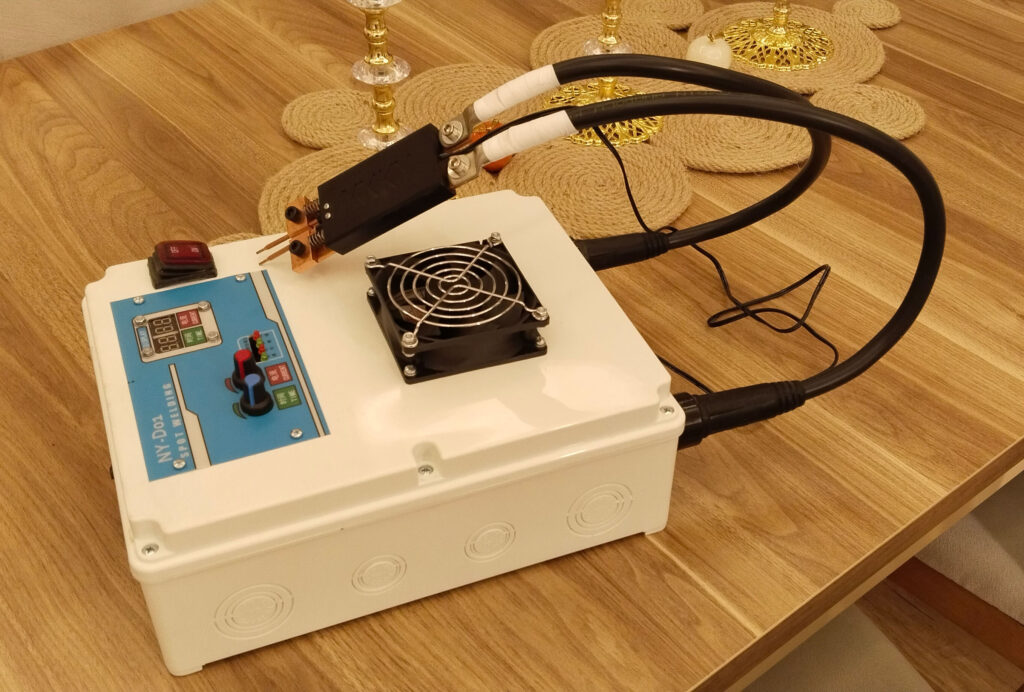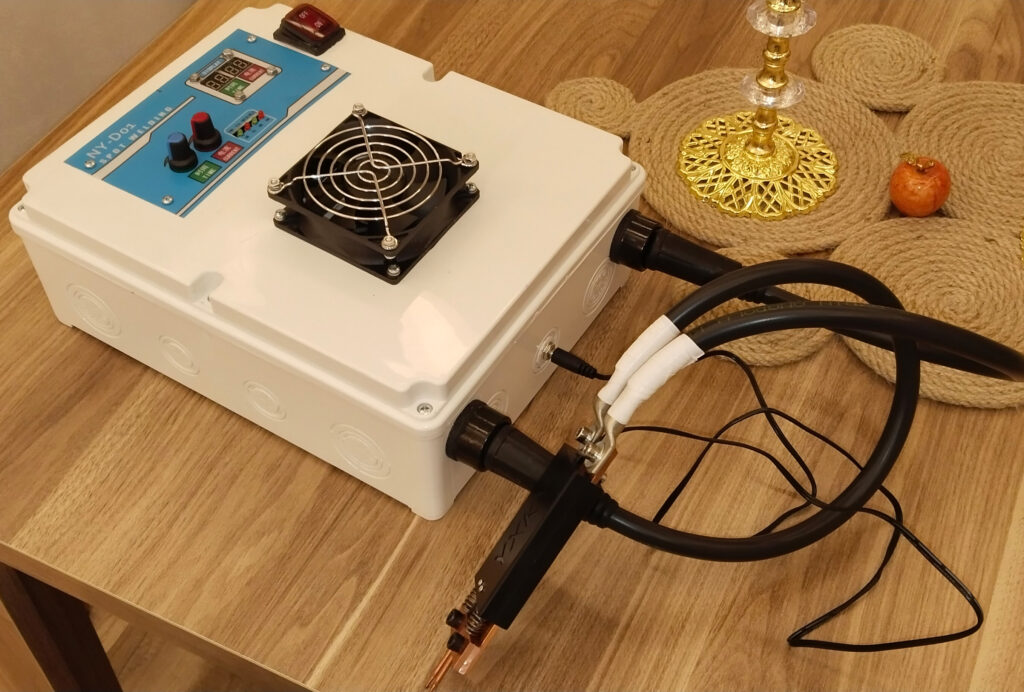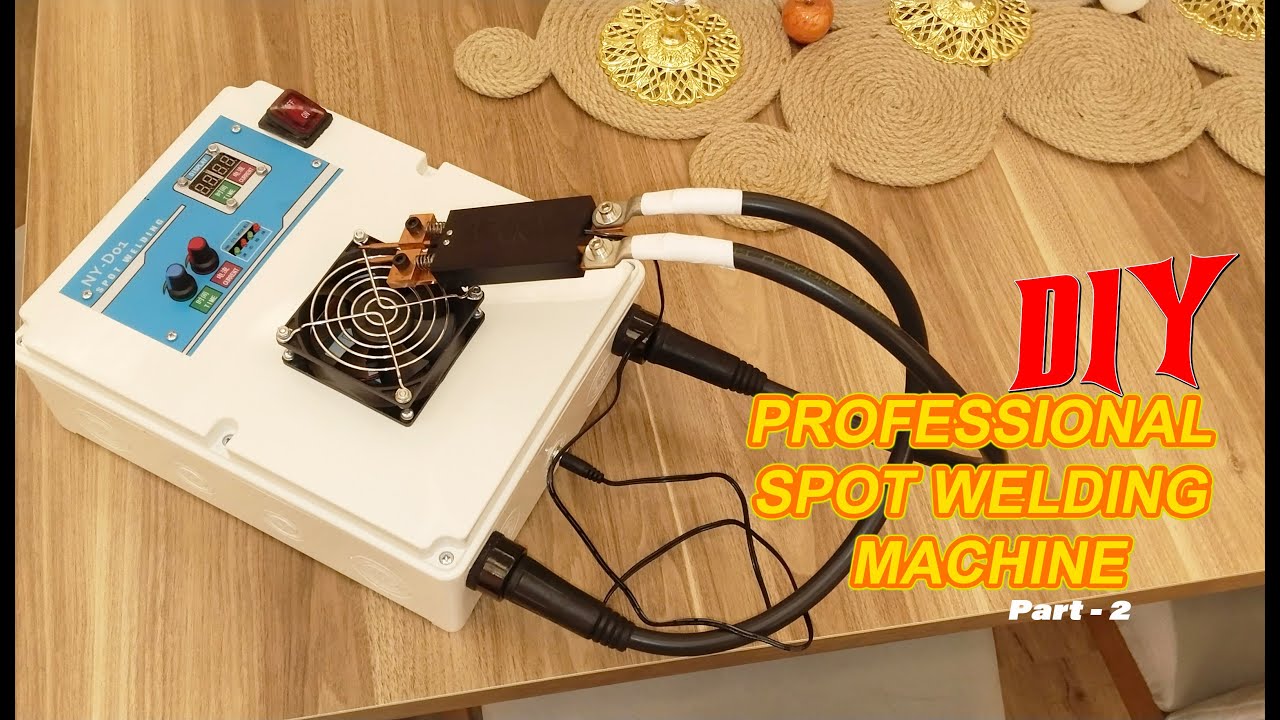

Overview of the Microwave Oven Transformer Spot Welder
A microwave oven transformer spot welder is a powerful DIY solution designed for welding nickel strips onto lithium-ion battery cells. In Part 2 of this project, the focus is on improving welding performance and implementing adjustable control features for better welding precision.
Using a microwave oven transformer spot welder allows makers to perform reliable battery pack assembly without requiring expensive industrial welding equipment.
Why Use a Microwave Oven Transformer Spot Welder?
Battery pack construction requires precise welding to ensure proper electrical contact between cells. A microwave oven transformer spot welder provides high current output capable of creating strong weld joints on nickel strips.
This method is particularly useful for assembling lithium battery packs used in cordless workshop tools.
Adjustable Welding Power
Adding adjustable power control to the microwave oven transformer spot welder helps regulate welding current during operation. This prevents overheating of battery cells and reduces the risk of damaging internal components.
Adjustable settings also improve weld consistency across repeated welding tasks.
Electrode Installation
Proper installation of welding electrodes ensures efficient current transfer during welding operations. Copper electrodes are commonly used due to their high electrical conductivity.
Maintaining proper electrode spacing improves weld penetration.
Video Placement Recommendation
Wiring and Electrical Setup
Ensuring correct wiring connections within the microwave oven transformer spot welder improves operational safety. Using insulated cables helps prevent electrical leakage during welding operations.
Secure electrical connections also improve welding efficiency.
External Reference for Spot Welding Basics
For additional information about spot welding techniques, you may refer to this guide: https://en.wikipedia.org/wiki/Spot_welding
Performance Improvements
Implementing adjustable controls improves the usability of the microwave oven transformer spot welder in DIY environments.
This allows users to fine-tune welding strength according to material thickness.
Safety Measures
Using protective equipment during welding operations helps prevent injury from electrical sparks or heat generated during welding.
Maintaining a clean workspace also improves operational safety.
Practical Workshop Applications
A microwave oven transformer spot welder can be used for assembling lithium battery packs, repairing electrical connectors, or welding thin metal sheets.
This improves productivity in DIY workshop environments.
System Stability
Ensuring stable mounting of the transformer reduces vibration during welding operations.
This helps maintain consistent welding performance.
Heat Management
Managing heat generated during welding operations improves long-term reliability of the microwave oven transformer spot welder.
Allowing sufficient cooling time between welding cycles helps protect internal components.
Workflow Efficiency
Integrating a microwave oven transformer spot welder into battery pack assembly projects improves production speed.
This supports efficient workflow in maker environments.
You can explore Part 1 of this project here:
https://www.beykana.com/microwave-oven-transformer-spot-welder-part-1/
Welding Pulse Control
Maintaining consistent welding pulse duration improves joint quality when using a microwave oven transformer spot welder. Short and controlled pulses prevent excessive heat buildup on battery terminals during welding operations. Adjusting pulse timing according to nickel strip thickness helps maintain reliable electrical connections between lithium-ion cells during battery pack assembly.
Transformer Mounting Stability
Proper mounting of the microwave oven transformer spot welder inside a stable enclosure improves operational safety and performance. Securing the transformer reduces movement during welding tasks and helps maintain electrode contact consistency. A rigid mounting structure also minimizes vibration during high current discharge cycles in repeated welding operations.
Cooling Considerations
Managing heat accumulation during welding improves long-term reliability of the microwave oven transformer spot welder. Installing ventilation openings or allowing cooling intervals between welding cycles helps protect internal wiring and electrical insulation. This improves operational safety and extends the service life of the transformer in workshop environments.
Proper adjustment of electrode pressure during welding helps improve joint consistency across repeated welding operations. Applying uniform pressure ensures effective current transfer between the electrodes and the nickel strip. This contributes to stable weld formation and reduces the likelihood of weak weld points during battery pack assembly tasks.
Content Images