
Introduction to Making a Ring from Steel Bolt
Making a Ring from Steel Bolt is a practical and creative DIY metalworking project that allows makers to transform an ordinary industrial fastener into a durable and personalized accessory. In maker-focused workshops like Beykana, where materials such as N690 or Sleipner are frequently shaped into functional tools, working with smaller steel components like bolts offers an excellent opportunity to improve precision grinding and finishing techniques.
Instead of using expensive jewelry-grade materials, this project demonstrates how to produce a strong and aesthetically pleasing ring using commonly available steel bolts and basic workshop equipment.
Selecting the Right Bolt Material
The first step in Making a Ring from Steel Bolt is selecting an appropriate bolt type. High carbon or alloy steel bolts provide better durability and polishability compared to standard low-grade fasteners. Hex head bolts with sufficient shaft thickness are ideal because they allow enough material to form the inner diameter of the ring without compromising structural integrity.
Ensure that the selected bolt does not have internal fractures or corrosion damage. This is especially important when performing sanding and polishing operations during the shaping phase.
Cutting and Initial Shaping
Once the bolt is selected, the head portion can be cut using a metal cutting tool such as an angle grinder or a band saw. The remaining cylindrical shaft becomes the base material for Making a Ring from Steel Bolt.
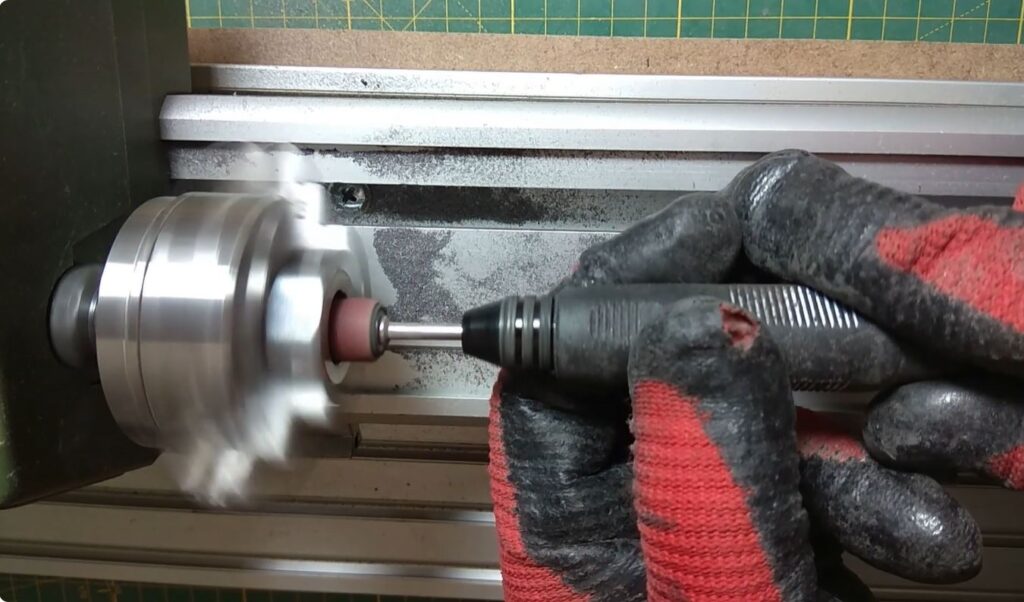
At this stage, the inner hole must be drilled carefully to define the finger size. Progressive drill bits should be used to avoid material stress or overheating. After drilling, the external diameter can be shaped using a sanding or grinding system.
If you’re interested in similar content, you can also visit our https://www.beykana.com/category/diy-tools/ page to explore more of our DIY tool projects.
This tool can help maintain consistent contact angles while forming the outer curvature of the ring.
Surface Refinement and Sanding
After achieving the approximate ring profile, the surface must be smoothed using sanding belts or abrasive paper. Starting from coarse grit levels such as 120 or 240 and gradually moving up to finer grits like 800 or 1000 allows for progressive refinement.
During the Making a Ring from Steel Bolt process, maintaining even pressure across the ring surface prevents asymmetrical wear patterns and ensures uniform thickness.
For selecting suitable abrasives for metal finishing, you can refer to:
👉 https://en.wikipedia.org/wiki/Belt_sander
This external resource provides detailed information on sanding belt types and grit performance for metal applications.
Polishing and Finishing
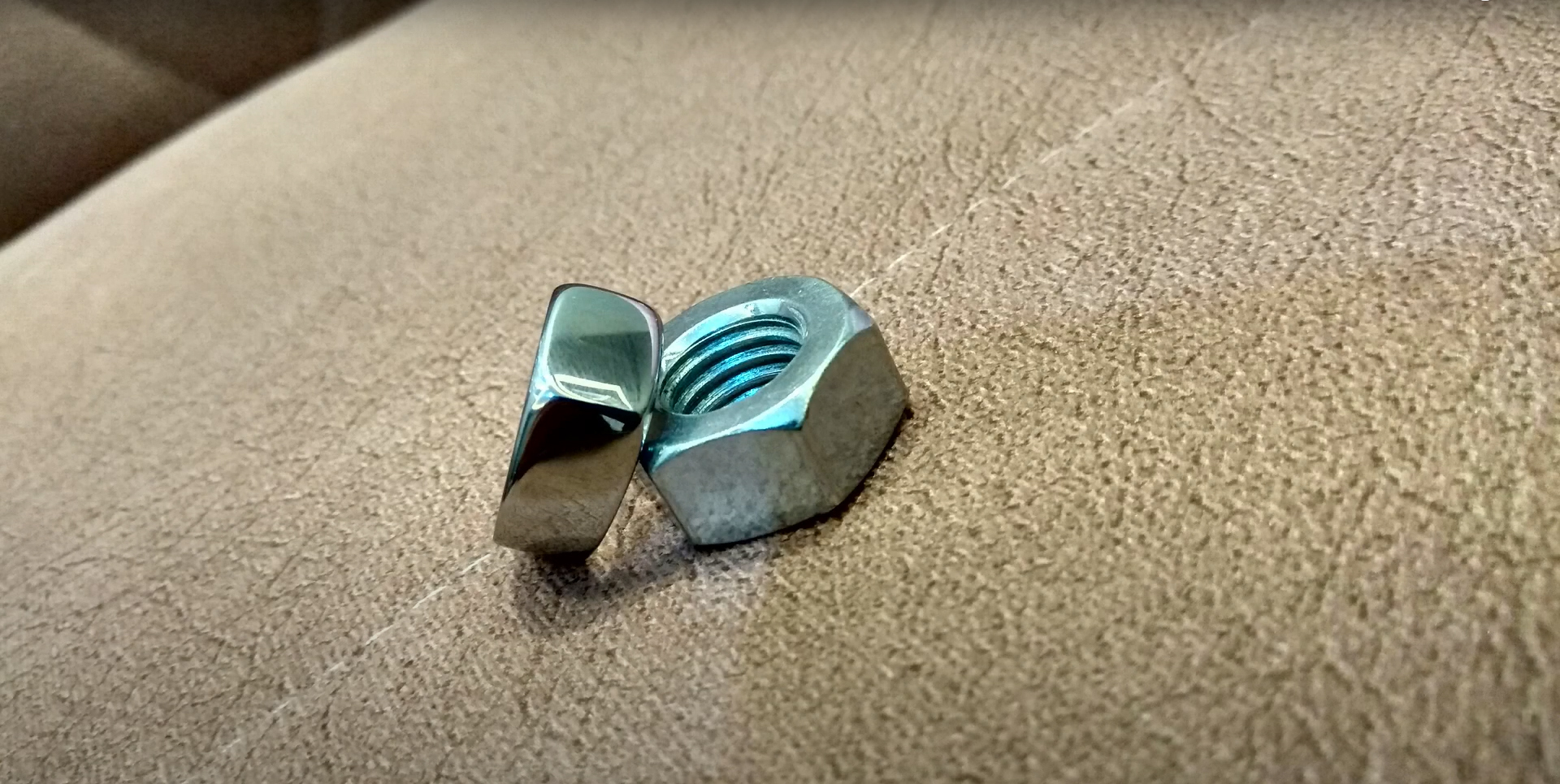
Polishing is one of the most critical stages in Making a Ring from Steel Bolt. Using polishing compounds along with a buffing wheel can dramatically improve the visual appeal of the finished ring.
At this stage, micro scratches from previous sanding operations are eliminated, resulting in a smooth and reflective surface finish. If desired, the ring can also be heat treated or coated for corrosion resistance.
Video Placement Recommendation
Final Adjustments and Fit Testing
Before completing the project, it is essential to test the ring for comfort and fit. Minor adjustments can be made using fine grit sandpaper to remove sharp edges or improve ergonomics.
Making a Ring from Steel Bolt not only enhances your metalworking skills but also provides insight into material behavior during shaping and finishing processes.
Conclusion
Making a Ring from Steel Bolt is a rewarding DIY workshop project that converts a simple mechanical component into a stylish and functional handmade item. This project aligns perfectly with Beykana’s maker-oriented philosophy by encouraging resourceful use of materials and hands-on fabrication techniques.
With the right sanding, shaping, and polishing steps, anyone with basic workshop tools can successfully complete the Making a Ring from Steel Bolt process and create a durable custom accessory from a standard steel fastener.
Content Images