
Introduction
DIY Smoke Extractor projects are essential for maintaining clean air in electronics workshops where soldering operations are frequently performed. During soldering, harmful fumes and fine particulate matter are released into the surrounding environment.
A properly constructed DIY Smoke Extractor helps remove these contaminants from the air and improves working conditions for users.
Why Use a Smoke Extractor?
Soldering fumes may contain substances that can irritate the respiratory system when inhaled over extended periods.
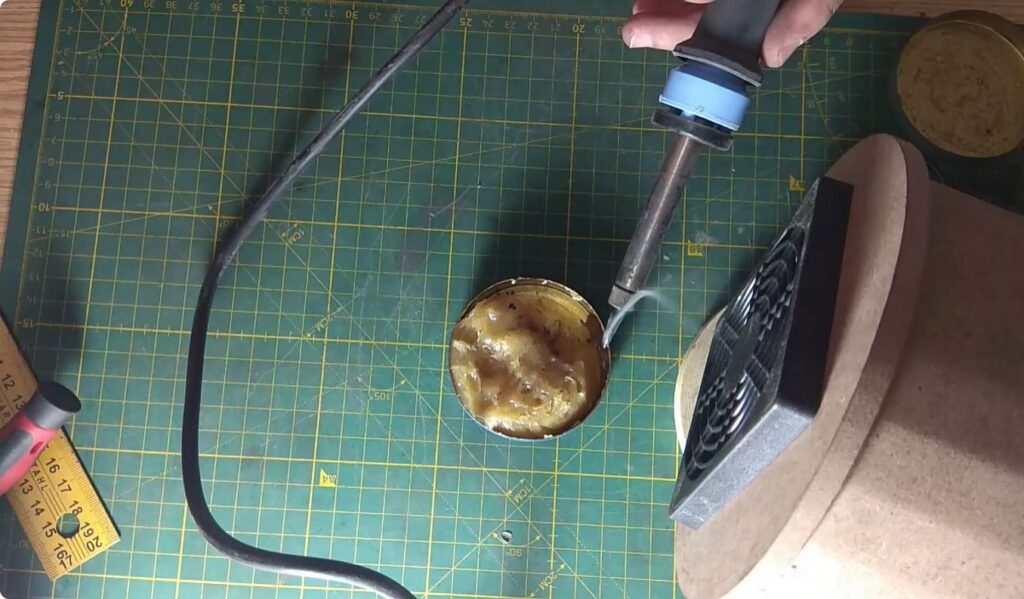
Using a DIY Smoke Extractor allows the user to capture airborne particles directly at the source before they disperse into the workshop environment.
This improves both visibility and air quality during electronic assembly tasks.
Working Principle
A DIY Smoke Extractor operates by drawing contaminated air through a filtration system.
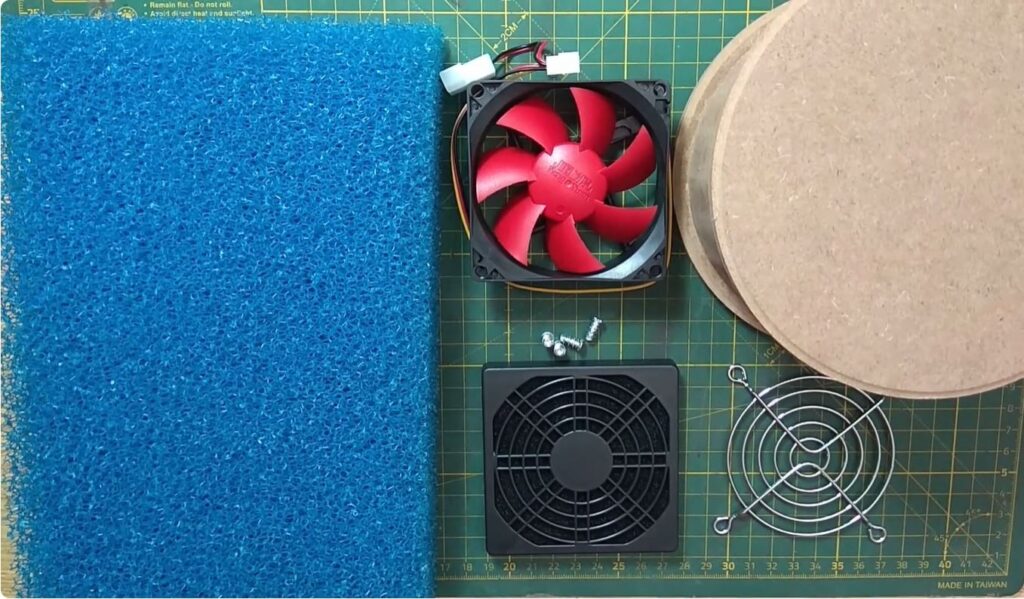
Typically, the setup includes:
- A ventilation fan
- A carbon filter
- A protective housing
- An air intake grille
The fan pulls soldering fumes into the filter where airborne particles are captured before the air is released back into the workspace.
Assembly Process
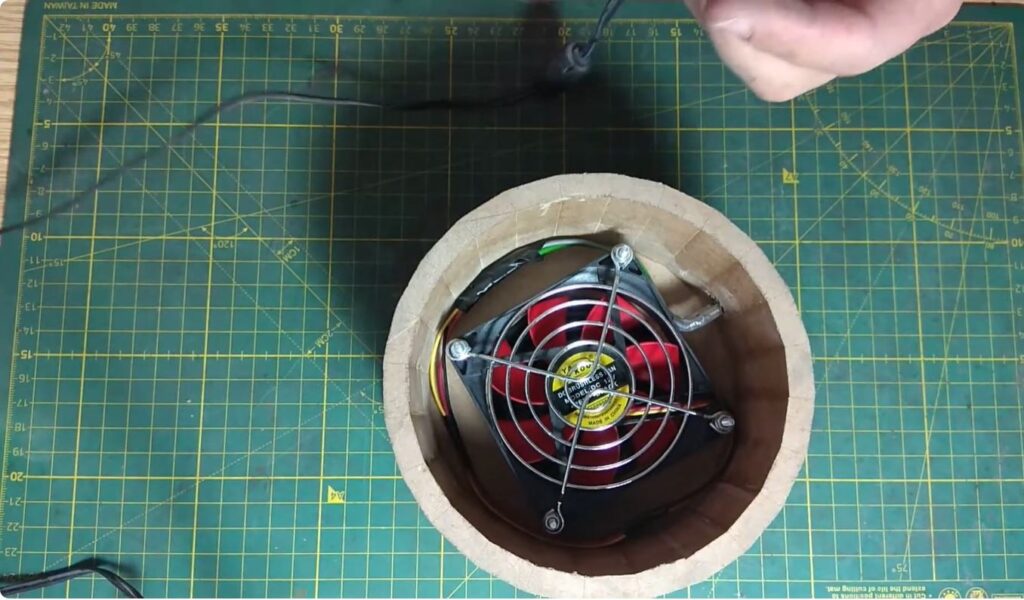
Building a DIY Smoke Extractor begins with mounting the ventilation fan inside a suitable enclosure.
The carbon filter should be placed in front of the fan to maximize filtration efficiency.
Proper alignment of the filter ensures that fumes pass through the filtering material before being expelled.
Safety Considerations
Electrical connections should be insulated properly when assembling a DIY Smoke Extractor.
Using a regulated power supply helps maintain stable fan operation and prevents overheating.
For general information about soldering fume safety, you may refer to:
https://en.wikipedia.org/wiki/Metal_fume_fever
https://en.wikipedia.org/wiki/Fume_extractor_(soldering)
Application Areas
The DIY Smoke Extractor described in this project can be used for:
- PCB soldering
- Electronic repair work
- Wire joint assembly
- Component installation
- Small-scale prototyping
These applications benefit from improved air circulation during soldering operations.
For related electronics workshop projects, you may also explore:
https://www.beykana.com/category/electronics-projects/
Performance Optimization
Proper filter selection is important for the performance of a DIY Smoke Extractor.
Activated carbon filters are commonly used due to their ability to absorb airborne contaminants.
Replacing filters periodically ensures consistent airflow.
Structural Stability
The enclosure used in a DIY Smoke Extractor should remain stable during operation.
Rubber pads may be installed beneath the unit to prevent vibration and reduce noise.
Workshop Integration
Due to its compact size, a DIY Smoke Extractor can be placed near the soldering area without occupying excessive workspace.
Sustainability Benefits
Repurposing ventilation components for building a DIY Smoke Extractor reduces electronic waste.
This approach promotes environmentally responsible workshop practices.
Additional Usage Advantages
Using a DIY Smoke Extractor in electronics projects improves overall working comfort and reduces exposure to soldering fumes during long assembly sessions.
It also helps maintain a cleaner workbench by preventing residue accumulation on nearby surfaces.
Conclusion
A properly assembled DIY Smoke Extractor provides an effective solution for removing soldering fumes from electronics workspaces.
With correct assembly and filter selection, this system can improve both safety and productivity during soldering tasks.
Additional Airflow Considerations
Maintaining proper airflow direction is important for ensuring that fumes are captured effectively during soldering operations. Positioning the fan unit closer to the working area helps improve air intake efficiency and prevents contaminants from spreading throughout the workspace. This setup allows the filtration system to perform more efficiently during extended electronic assembly sessions.
Periodic inspection of the filter material is also recommended to ensure optimal performance. Over time, accumulated particles may reduce airflow capacity and decrease overall extraction efficiency. Replacing the filtration element when necessary helps maintain consistent ventilation performance during workshop use.
Ensuring proper ventilation during electronic assembly work contributes to a safer and more comfortable working environment. Consistent airflow management helps prevent the buildup of airborne particles around sensitive components and improves overall workspace cleanliness during prolonged soldering sessions.
Content Images