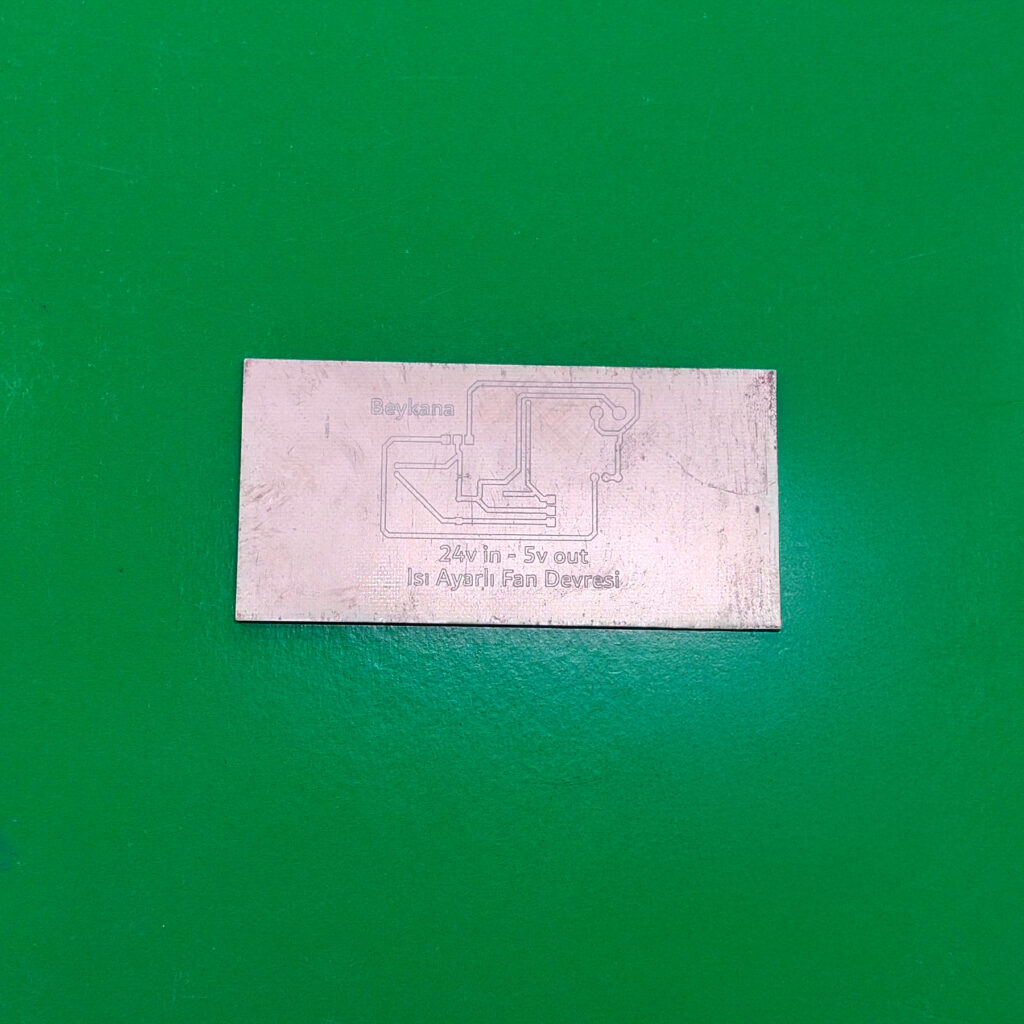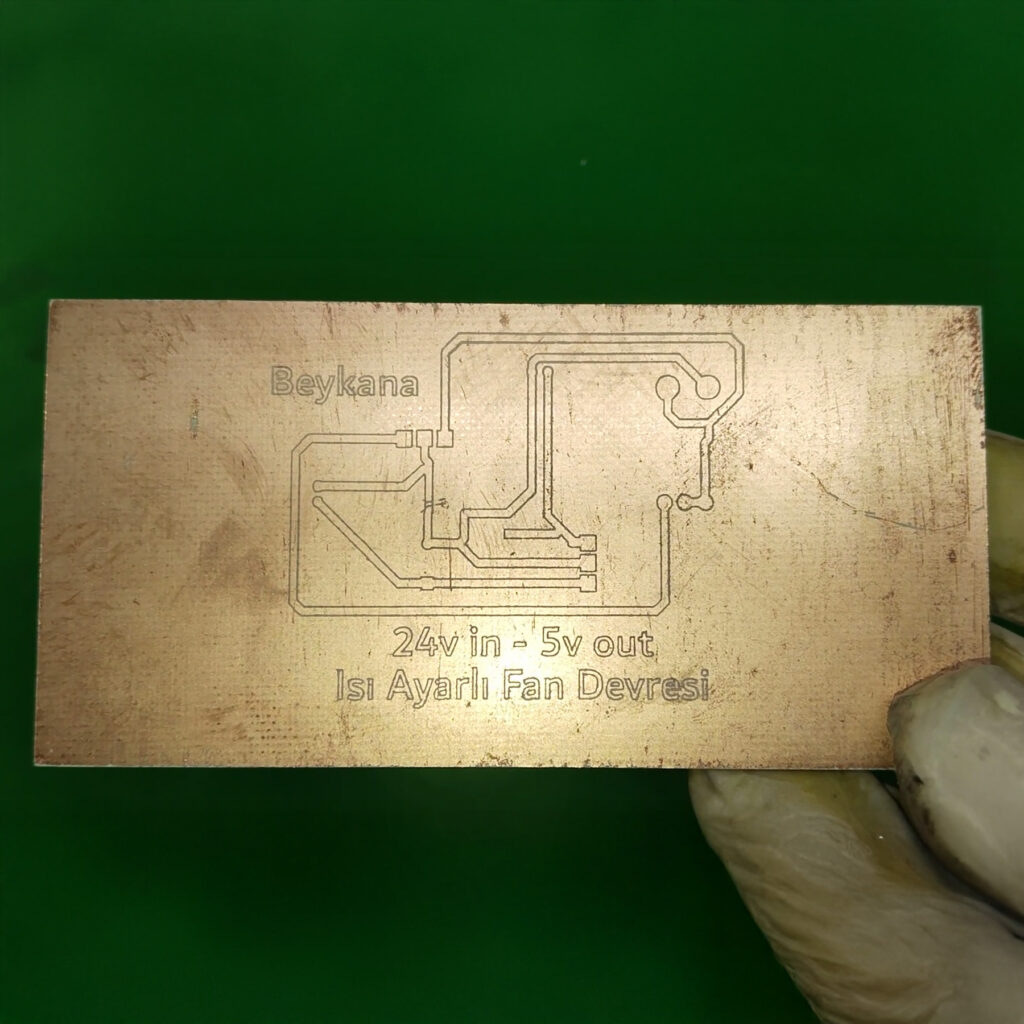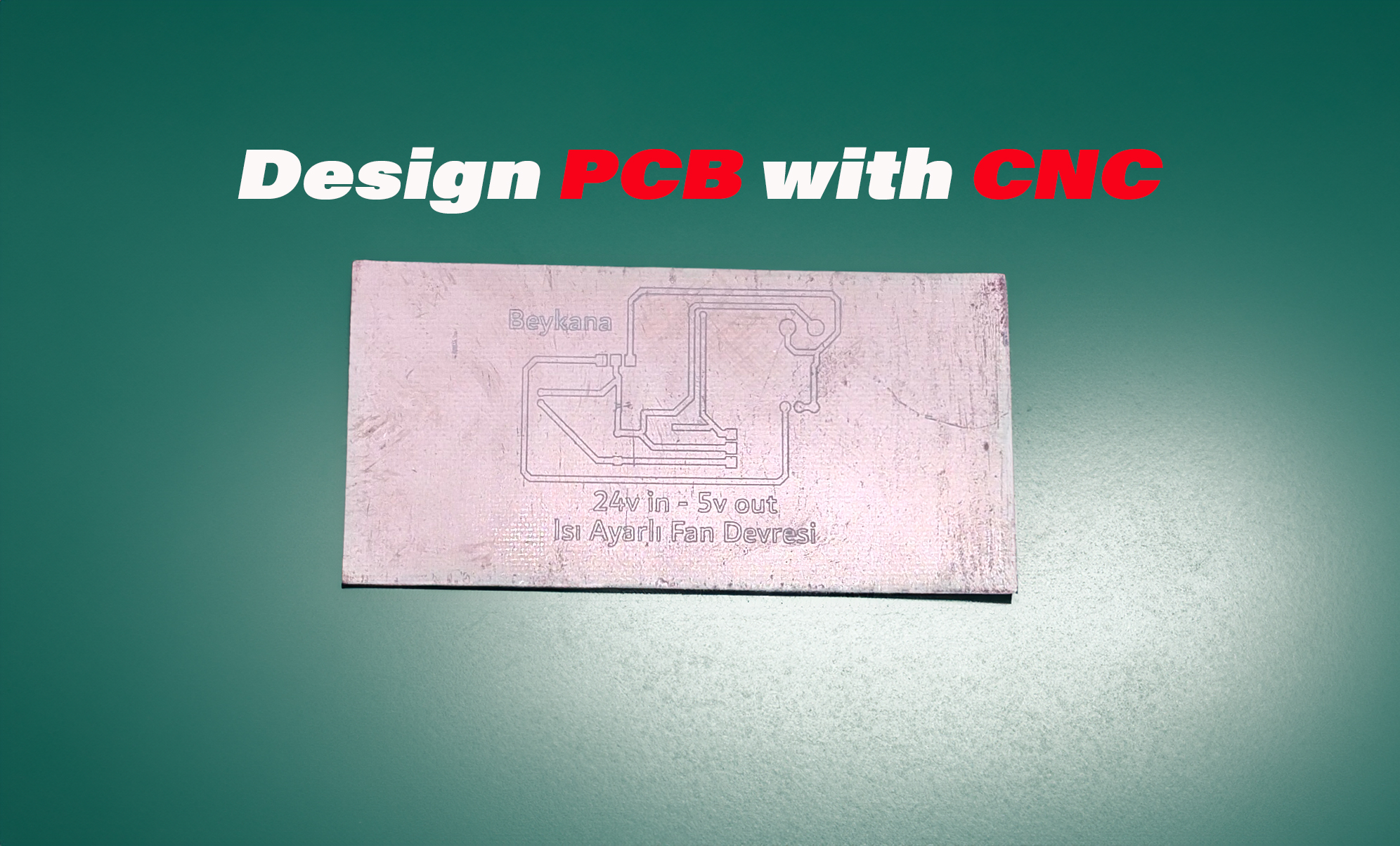

What Is DIY PCB Manufacturing?
DIY PCB manufacturing is a process that allows makers to produce printed circuit boards using CNC machines instead of traditional chemical etching techniques. This approach is particularly useful in compact workshop environments where access to industrial PCB fabrication tools may be limited.
By using a CNC machine equipped with a homemade diamond engraving tool, DIY PCB manufacturing enables accurate removal of copper layers from blank circuit boards to create functional electrical pathways.
Why Choose DIY PCB Manufacturing?
DIY PCB manufacturing offers flexibility and control over circuit design during prototyping stages. Unlike outsourced PCB fabrication, in-house PCB manufacturing allows makers to produce customized circuit boards quickly and efficiently.
This method is especially beneficial for testing small electronic projects without waiting for external production processes.
Preparing the PCB Surface
Before starting DIY PCB manufacturing, the copper-clad board surface should be cleaned to remove oxidation or dust. A clean surface improves engraving consistency and ensures accurate isolation of circuit traces during machining.
Proper clamping of the PCB material also helps prevent vibration during CNC engraving operations.
CNC Machine Compatibility
DIY PCB manufacturing can be performed on compact CNC routers commonly used in maker workshops. Machines equipped with stable motion systems are capable of handling fine engraving tasks required for circuit trace isolation.
You can explore a compatible CNC setup here: https://www.beykana.com/category/cnc-projects/
Video Placement Recommendation
Engraving Techniques for PCB Fabrication
Maintaining a consistent feed rate during DIY PCB manufacturing improves the accuracy of engraved traces. Applying excessive cutting force may result in incomplete isolation between copper tracks.
Performing multiple shallow engraving passes improves trace clarity and reduces strain on the homemade diamond engraving tool.
Advantages of Using a Diamond Engraving Tool
A homemade diamond engraving tool provides improved durability compared to conventional steel engraving bits. The hardness of the diamond tip ensures precise material removal during DIY PCB manufacturing.
This helps maintain consistent engraving performance across repeated PCB fabrication tasks.
Tool Maintenance
Keeping the engraving tool clean after PCB manufacturing operations helps maintain cutting precision. Removing copper debris from the tip surface improves machining efficiency during future PCB projects.
Periodic inspection of the engraving tool also extends its operational lifespan.
Workshop Safety Measures
Using protective eyewear during DIY PCB manufacturing helps prevent injury from small copper particles generated during engraving.
Maintaining adequate ventilation in the workshop environment improves overall machining safety.
External Reference for PCB Fabrication
For additional information about PCB isolation routing techniques, you may refer to this guide: https://en.wikipedia.org/wiki/Printed_circuit_board_milling
Workflow Efficiency
Integrating DIY PCB manufacturing into maker projects allows users to rapidly prototype electronic circuits without relying on external fabrication services.
This improves development speed and supports iterative testing during electronic project design.
Practical Applications
DIY PCB manufacturing can be used for producing microcontroller breakout boards, sensor modules, or custom electronic control circuits.
This method supports rapid development of electronic systems within compact workshop environments.
Stability in CNC PCB Operations
Maintaining proper machine calibration during DIY PCB manufacturing helps ensure accurate engraving depth across the copper surface. Even slight inconsistencies in tool height may result in incomplete electrical isolation between traces.
Regular calibration of the CNC machine improves machining reliability and enhances the quality of fabricated circuit boards.
Feed Rate Optimization
Selecting an appropriate feed rate during DIY PCB manufacturing operations improves the consistency of engraved circuit paths. Feeding the PCB material too quickly may result in uneven trace isolation or excessive tool wear.
Gradual engraving passes with moderate feed speed ensure uniform removal of copper layers across the board surface.
Circuit Trace Accuracy Improvements
Ensuring consistent engraving depth during DIY PCB manufacturing helps maintain reliable electrical isolation between adjacent copper traces. Inconsistent depth may result in short circuits or incomplete separation between signal paths. Performing engraving passes with stable spindle speed improves machining consistency and supports accurate circuit layout formation on copper-clad boards used in electronic prototyping projects.
Content Images