

Introduction
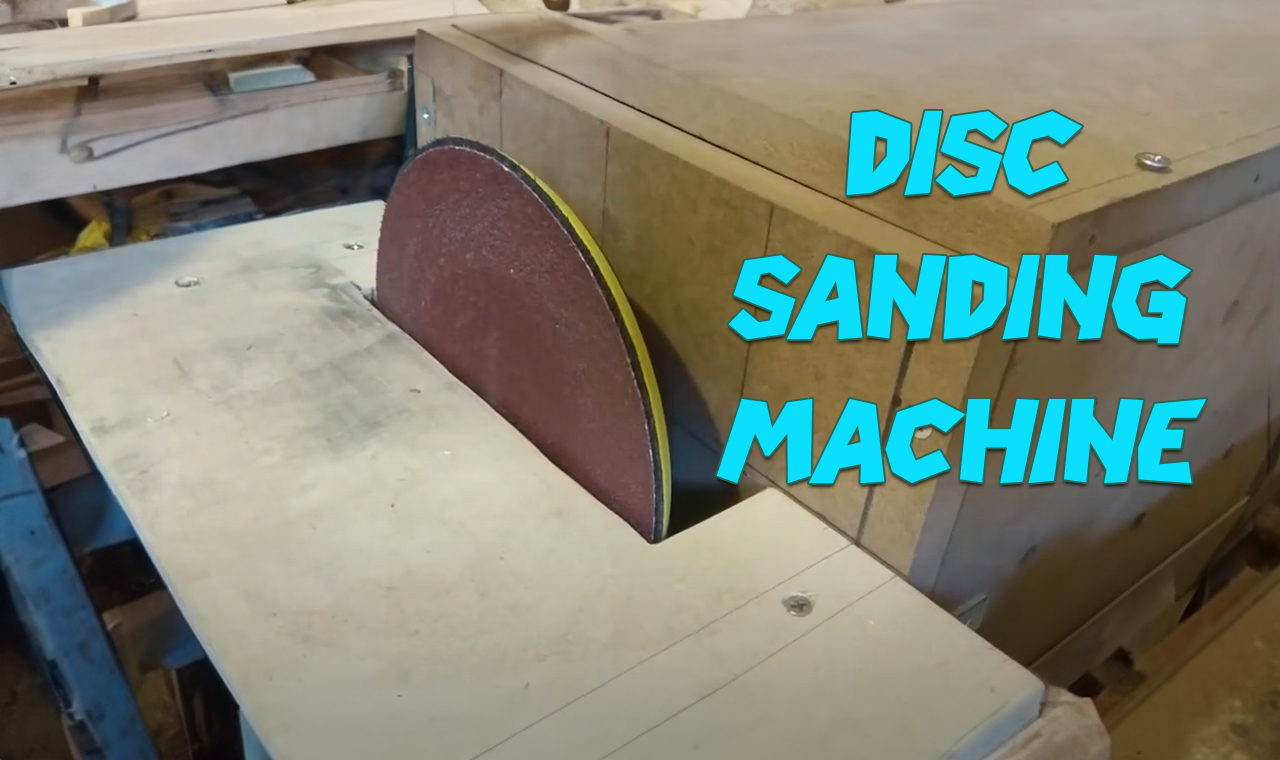
DIY Disc Sander projects are widely used in fabrication workshops for shaping, smoothing, and finishing various materials. In this build, a washing machine motor is repurposed to create a variable speed sanding machine suitable for woodworking and metalworking tasks.
This DIY Disc Sander offers a powerful and cost-effective alternative to commercial sanding equipment by utilizing readily available household appliance components.
Why Use a Washing Machine Motor?
Washing machine motors are designed for continuous operation and can deliver high torque output under load conditions. These characteristics make them highly suitable for use in a DIY Disc Sander configuration.
With the addition of a speed control unit, the motor can operate at adjustable RPM levels, allowing users to tailor sanding performance based on material type.
Mechanical Assembly
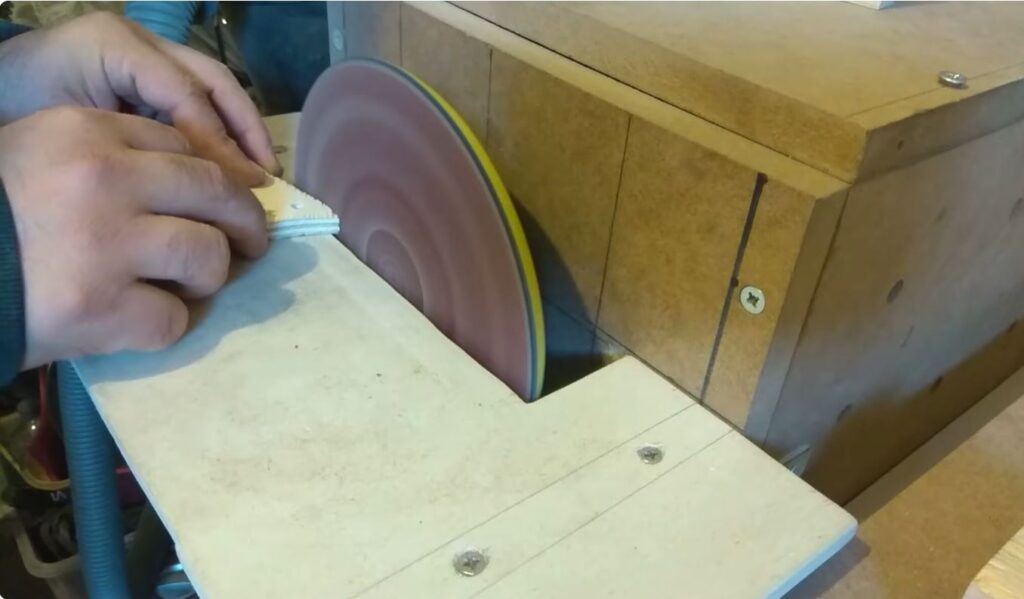
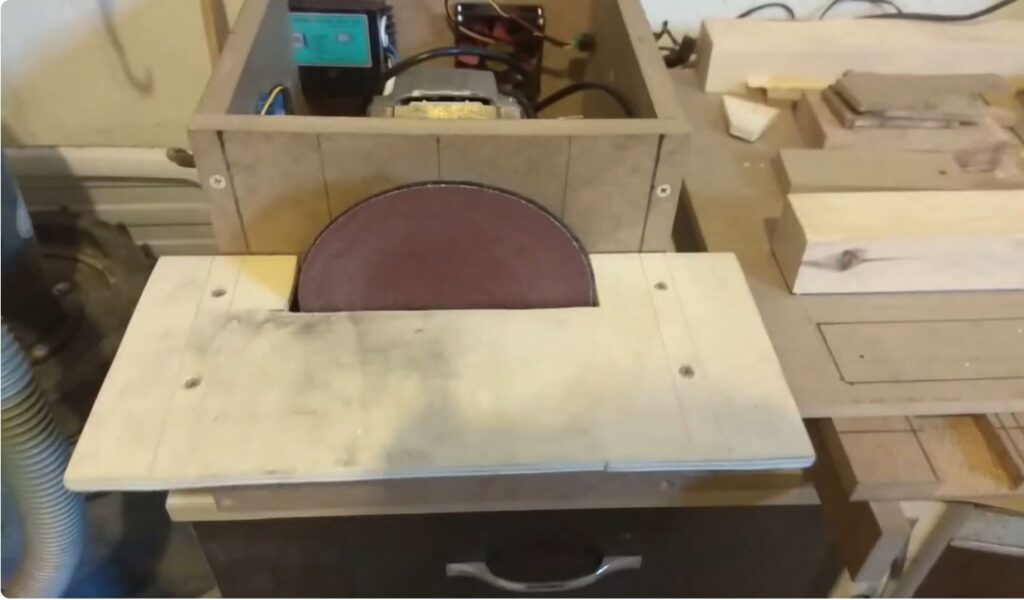
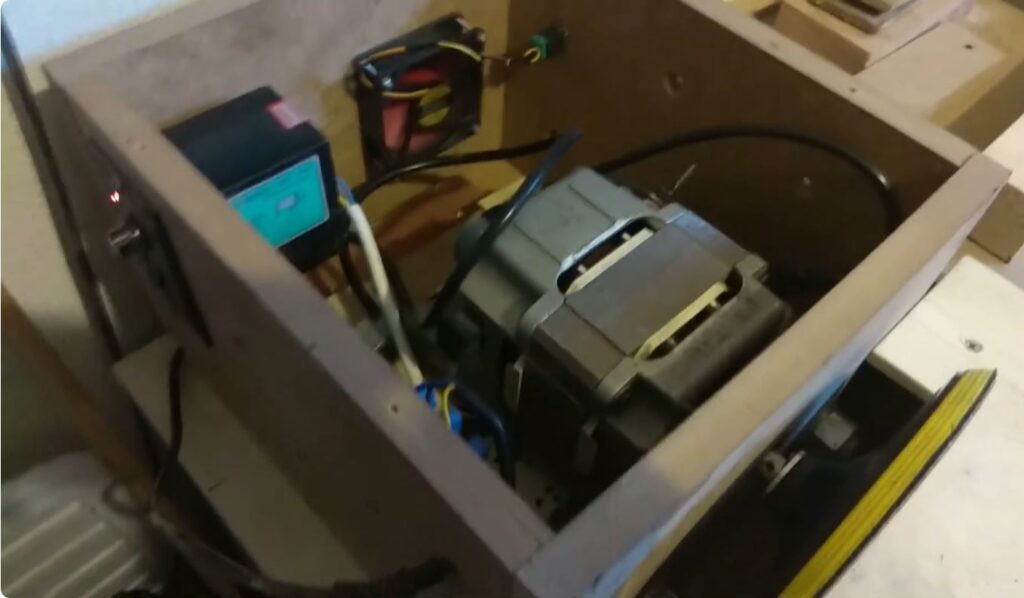
Constructing a DIY Disc Sander begins with securely mounting the washing machine motor onto a stable base frame. The sanding disc must be attached directly to the motor shaft using a properly aligned mounting plate.
Accurate alignment ensures smooth rotation and prevents wobbling during operation. Improper mounting may lead to vibration or uneven sanding results.
Safety Measures
When building a DIY Disc Sander, safety precautions should be implemented to protect the user from rotating components.
Installing a protective cover over the sanding disc helps prevent accidental contact. Additionally, using a regulated power supply ensures stable motor operation.
For general machine safety practices when working with rotating equipment, you may refer to:
https://www.osha.gov/machine-guarding
Application Areas
The DIY Disc Sander described in this project can be used for various workshop operations including:
- Edge smoothing of wooden parts
- Surface finishing of plastic materials
- Metal deburring
- Shaping composite panels
- Preparing material for assembly
These applications benefit from the controlled sanding performance provided by the adjustable-speed system.
For related workshop machinery projects, you may also explore:
https://www.beykana.com/diy-mini-lathe-from-treadmill-motor
Performance Optimization
Proper sanding disc selection plays an important role in the performance of a DIY Disc Sander. Coarse grit discs are suitable for rapid material removal, while fine grit discs are ideal for finishing tasks.
Adding a speed controller allows users to reduce motor speed when working with delicate materials.
Structural Stability
The stability of the base frame directly affects sanding accuracy. A DIY Disc Sander should be mounted on a flat and rigid surface to minimize vibration.
Rubber mounts may also be installed beneath the frame to enhance grip and reduce operational noise.
Workshop Integration
Due to its compact design, a DIY Disc Sander can be integrated into existing workshop setups without occupying excessive space. It may be mounted on a workbench or used as a standalone sanding station.
Sustainability Advantages
Repurposing washing machine motors for workshop tools contributes to reducing electronic waste and promotes sustainable fabrication practices. Building a DIY Disc Sander from available components allows makers to construct powerful sanding equipment at a lower cost.
Conclusion
A properly assembled DIY Disc Sander powered by a washing machine motor offers an efficient sanding solution for small-scale fabrication tasks. With adequate safety precautions and structural support, this system can improve productivity in maker workshops.
Additional Workshop Applications
In many small-scale fabrication environments, sanding machines play a critical role in preparing surfaces before assembly or finishing processes. A compact DIY Disc Sander can be particularly useful when working on detailed projects that require controlled material removal. Instead of relying on manual sanding methods, users can achieve consistent results with improved precision and reduced effort. This type of sanding setup can also be integrated into custom-built workbenches, making it easier to perform repetitive shaping tasks on wood, plastic, or light metal materials without compromising accuracy.
This type of sanding system can also improve overall workflow efficiency in DIY fabrication projects. By allowing smoother surface preparation before assembly or painting stages, the machine helps achieve more consistent finishing results across different materials used in workshop environments.
Content Images