
Introduction to DIY Vacuum Chamber for Epoxy Resin
DIY Vacuum Chamber for Epoxy Resin systems are essential tools for anyone working with casting resins, especially in advanced workshop environments like Beykana where full epoxy knife handles or CNC resin molds are frequently produced. When epoxy resin is mixed, air becomes trapped inside the material, forming bubbles that can significantly affect surface finish, durability, and transparency.
A DIY Vacuum Chamber for Epoxy Resin eliminates these trapped air bubbles by creating a low-pressure environment that allows gases to escape from the resin before curing begins.
Why Air Bubbles Form in Epoxy Resin
During the mixing process of epoxy resin and hardener, microscopic air pockets are introduced into the liquid mixture. These bubbles often remain suspended inside the resin and expand during curing. Without a DIY Vacuum Chamber for Epoxy Resin, these trapped bubbles may result in:
- Weak structural integrity
- Poor optical clarity
- Surface imperfections
- Inconsistent curing behavior
This becomes especially problematic when casting transparent epoxy knife handles or filling CNC-milled molds in projects commonly featured on your Beykana workshop builds.
Working Principle of DIY Vacuum Chamber for Epoxy Resin
A DIY Vacuum Chamber for Epoxy Resin operates by reducing the internal air pressure around the resin container. As pressure drops, the air trapped inside the resin expands and rises to the surface where it escapes.
This degassing process ensures:
- Improved mechanical strength
- Bubble-free resin casting
- Higher transparency in clear epoxy
- Better bonding performance
Vacuum degassing is widely used in professional composite manufacturing processes and is now accessible to makers through simple DIY workshop setups.
Materials Required for Building the Chamber
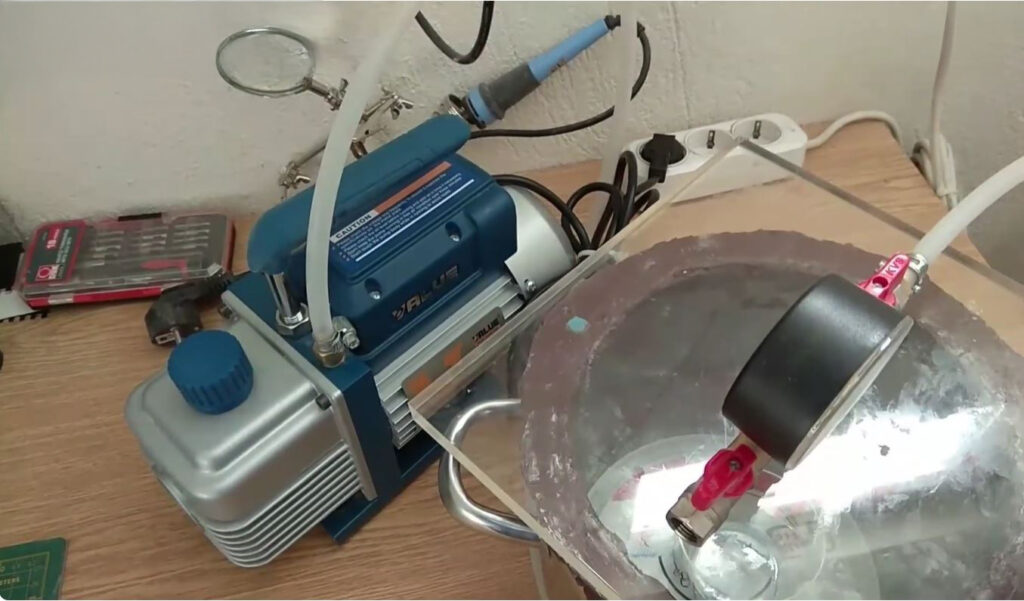
To construct a DIY Vacuum Chamber for Epoxy Resin, you will need:
- Airtight pressure-resistant container
- Transparent acrylic or tempered glass lid
- Rubber gasket sealing ring
- Vacuum pump
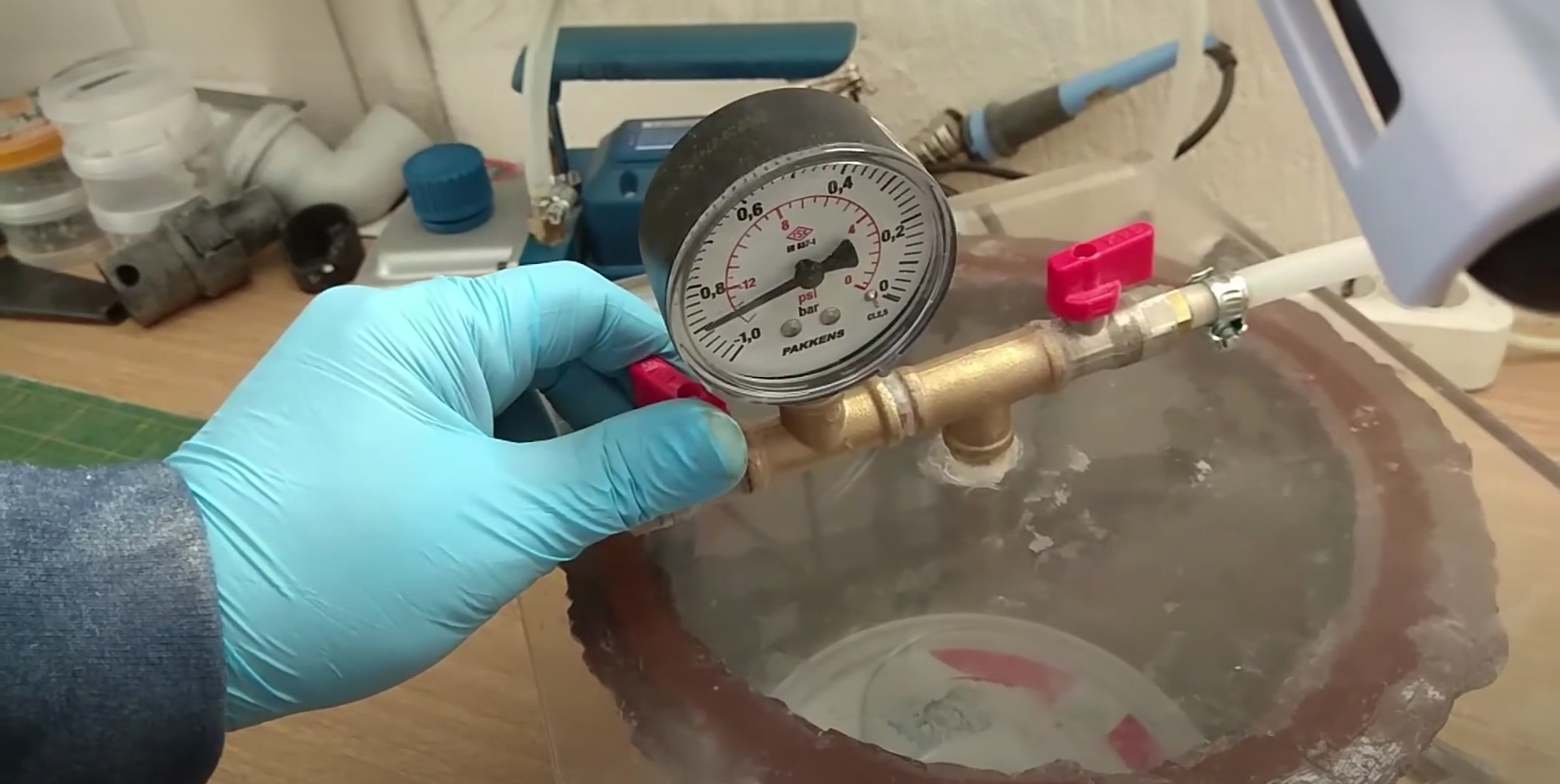
- Pressure gauge
- Vacuum valve
If you’re interested in similar content, you can also visit our https://www.beykana.com/category/diy-tools/ page to explore more of our DIY tool projects.
Vacuum Pump Selection
Choosing the correct pump is crucial when building a DIY Vacuum Chamber for Epoxy Resin. Oil-based rotary vane pumps provide the best performance for deep vacuum applications.
For technical specifications regarding vacuum pumps used in resin degassing, you may refer to:
👉 https://en.wikipedia.org/wiki/Vacuum_pump
This external resource explains pump efficiency and vacuum pressure ratings that directly influence degassing effectiveness.
Operating the Vacuum Chamber
After mixing the epoxy resin, place the container inside the DIY Vacuum Chamber for Epoxy Resin and close the lid securely. Activate the vacuum pump gradually.
As internal pressure decreases, you will observe:
- Bubble expansion
- Foam formation
- Surface degassing
Allow the system to run until bubble activity subsides completely. This typically takes several minutes depending on resin viscosity and chamber volume.
Video Placement Recommendation
Applications in Workshop Projects
A DIY Vacuum Chamber for Epoxy Resin can be used in various Beykana-style maker projects including:
- Epoxy knife handle casting
- Resin mold filling
- CNC-machined mold casting
- Decorative metal inlay stabilization
- Transparent casting blocks
This tool significantly enhances the quality of finished components by preventing hidden voids within cured resin.
Final Thoughts
Building a DIY Vacuum Chamber for Epoxy Resin is a cost-effective way to achieve professional casting results in your own workshop. Whether you are producing epoxy knife scales, CNC mold fillings, or decorative resin components, eliminating air bubbles ensures both structural reliability and aesthetic perfection.
A properly designed DIY Vacuum Chamber for Epoxy Resin system transforms standard casting processes into high-quality fabrication workflows suitable for advanced DIY manufacturing environments like the Beykana workshop.
Additional Usage Benefits of DIY Vacuum Chamber for Epoxy Resin
Using a DIY Vacuum Chamber for Epoxy Resin not only improves visual quality but also significantly enhances the internal structure of cured resin parts. In projects such as epoxy knife handle casting or CNC-machined decorative mold filling, trapped microbubbles can reduce adhesion strength and create invisible weak points inside the material. By applying vacuum degassing before curing, the resin achieves a more uniform density and improved mechanical stability. This makes the final product more resistant to cracking, deformation, and long-term stress during real workshop usage. Especially in Beykana-style workshop environments where epoxy is used for functional components rather than purely decorative casting, the implementation of a DIY Vacuum Chamber for Epoxy Resin ensures professional-grade results without requiring expensive industrial equipment.
Content Images